

You’re detailing your car, making sure you clean every tiny spot on the surface, when you notice them: Tiny swirls and lines scratching the paint. Where did they come from?
The reality is that most car owners make the number one mistake: using dirty mitts and grimy water buckets, which can cause them to unknowingly scratch their car when they’re trying to take care of it. Because of the dirt trapped in the particles, even gently scrubbing with a soft cloth creates micro-scratches that can ruin your vehicle’s finish.
How can you prevent scratches during your next car detailing? Foam washing with a foam cannon or foam gun is the safest method for a scratch-free wash. This guide walks through every step — from setup to rinse — so readers get a showroom finish at home.
Ready to foam? Pair our foam cannon for car wash with Liberty Soap for a scratch-free wash — made in the USA, veteran-owned. Or get both in the Patriot Pack.
What Is a Foam Cannon (and How Does It Prevent Scratches)?
A foam cannon is a form of touchless foam wash. The cannon is connected to a pressure washer, where it mixes with soap, air, and water to create a dense foam (similar to shaving cream). This power washer foam sprayer sends soap across the vehicle’s surface, where it clings and slowly loosens grime, dirt, and other debris before you begin the hands-on scrubbing.
Since the foam pressure washer captures the dirt particles, they slide off, rather than dragging across the surface with your microfiber wash mitt. Minimal friction means fewer scratches — and an overall easier cleaning job compared to other methods.
Everything You Need for a Proper Foam Car Wash
Having the right equipment before you start ensures the process goes smoothly and keeps your vehicle’s paint safe from scratches. Review this list of necessary equipment, and make sure you have everything ready.
The Power Equipment
You’ll need a pressure washer for the foam cannon. This can be electric or gas-powered, but a 1200-2000 PSI is recommended for optimal foam density. If you don’t have a pressure washer, you can use a foam soap cannon for a garden hose design instead of a foam cannon.
The Cleaning Agents
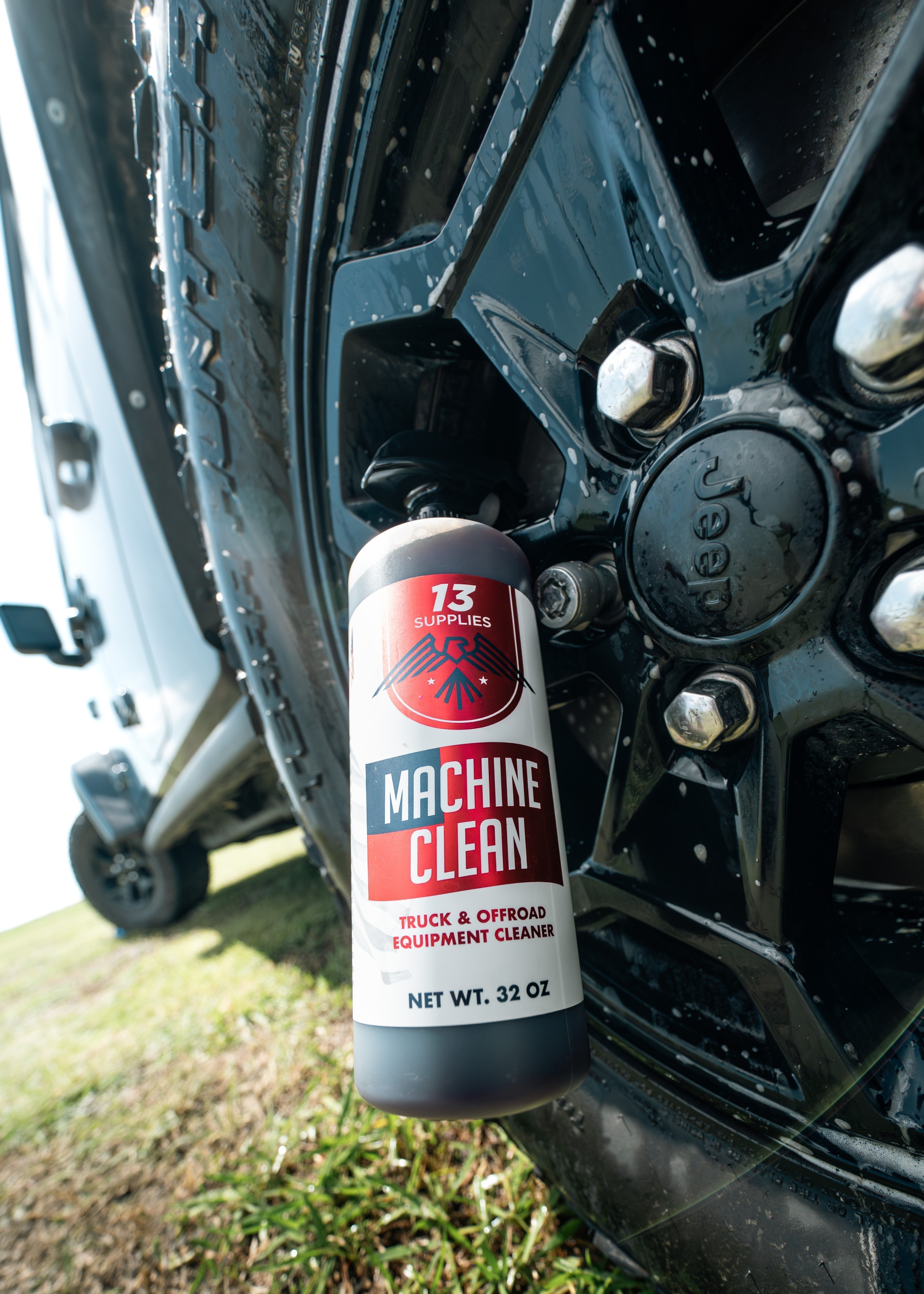
The cleaner you use must be pH-balanced. Don’t use dish detergents or harsh chemical cleaners if your goal is to keep your paint vibrant. Look for foam-cannon-compatible cleaners, like those offered at 13 Supplies, to protect your wax and avoid stripping the sealant.
The Extra Supplies
For the two-bucket car wash method setup, you’ll want two large buckets you can easily carry. One is only for clean, soapy water, and the other is for plain rinse water. Invest in a microfiber wash mitt that traps dirt particles within its fibers so they don’t scratch the paint, and microfiber drying towels or an air blower to prevent water spots.
Pro tip: If you have hard water in your area, use a filter or a specialized hard-water stain removal agent to prevent mineral deposits.
Step-by-Step Foam Wash Process
Professional detailing jobs might look like a magic clean, but they aren’t. You, too, can have the finished look of a pro if you follow this step-by-step foam wash process:
- Have a cool, shady area set up for your car wash. Direct sun and hot paint are red flags. Your soap and water will dry before they do their job, leaving behind water spots and mineral deposits.
- Use the pressure washer or a garden hose (without soap) to create a lubricating layer that collects and rinses away debris such as mud, dust, and road grime.
- Follow the steps on your foam canon and soap bottle to mix the right soap-to-water ratio for your equipment (just like you’re at a snow foam car wash).
- Adjust the cannon's nozzle to the desired consistency. You want a thick car-wash foam soap, similar to shaving cream.
-
Spray the foam in a specific top-down pattern, starting with the roof, then hood, sides, and bumpers. Leave the foam to do its job for about 5 minutes.
- Rinse the foam off gently with a hose if you’re aiming for a touchless car wash. Otherwise, you can use the two-bucket method to wash each of the car’s panels. Use straight lines, not circles, and rinse the mitt in plain water before dipping it back into the soap bucket.
This step-by-step method, followed by a final rinse and dry, removes debris and prevents scratching. Finish with a spray wax or sealant to boost shine and protect the paint from UV damage.
Foam Washing Mistakes That Can Still Scratch Your Car
Even with the best preparation and careful steps, you might still make some foam-washing mistakes along the way to pro status. Here, we’ll share the common amateur scratching habits so you can keep your car safe from them.
Not Investing in Equipment
Do you really need microfiber towels and special soap? You already have perfectly good old dish towels and liquid detergent. The answer is yes.
Microfiber towels trap dirt in the fibers and keep the particles from scratching your paint. Wash them with fabric softener and replace them regularly to keep your car’s surface safe from this sandpaper-like effect.
Household cleaners and soaps that aren’t pH-balanced for car paint increase oxidation and dull your car’s surface, stripping the wax and sealant. Shop for high-quality, professional-grade products at reputable retailers like 13 Supplies.
Cleaning in Direct Rays
While the warm sun might feel good on your skin, especially after weeks or months of cloudy weather, it isn’t good for your soapy, wet car. Soap dries quickly on those hot panels, leaving streaks and hard-water deposits. Stick with washing your car in shady areas or in the morning or evening when the temperatures have cooled, and the sun’s rays aren’t directly on your vehicle.
Neglecting the Pre-Rinse Step
That first rinse might not seem to do much, but it’s a vital scratch-prevention step. This layer of water dislodges debris that would otherwise remain locked in place when you spray the foam on the surface, becoming an abrasive that scratches your paint as you clean with your mitt.
Foam Cannon vs. Foam Gun — Which Is Right for You?
Using a foam cannon is a powerful way to clean your car, but similar results can be had using a foam gun. Which is right for you?
Choose a foam cannon if you don’t mind investing in (or already have) a pressure washer attachment. This equipment is ideal for those whose vehicles tend to accumulate heavy dirt and road grime quickly.
Foam guns with a garden hose attachment are more convenient and budget-friendly. They work well for people who want a light wash or live in apartments where room for car washing is limited.
Overall, foam cannons give professional-grade results that leave your car looking fresh from the auto detailer. However, a high-quality foam gun can give you a similar, scratch-free finish if budget and room are a concern.
Foam Car Wash FAQ
Do you need to scrub a car after using a foam cannon?
Yes. The foam from a foam cannon loosens and lifts dirt, but it doesn’t shift the stubborn grime and mud that gentle scrubs can remove.
Is a foam cannon worth it?
Definitely! Foam cannons require a short adjustment period, but once you have the equipment and knowledge in place, using yours will reduce swirl marks, speed up car washing, and help preserve your car’s resale value.
Can I use any car wash soap in a foam cannon?
No, you’ll need a foam-specific soap for your foam cannon. Using regular soap can clog the sprayer and doesn’t give you the density you need for the job.
How do I prevent water spots after a foam wash?
Water spots are common after any car wash. To prevent them, use clean microfiber towels to dry the surface immediately after your foam wash. Alternatively, you can use an air blower.
Conclusion
Foam washing is a simple, efficient way to keep your car looking like it just left the detailer’s shop, but it takes the right equipment and cleaning products to create that gleaming, polished look. Check out our foam cannon cleaners, foam car wash kit, and pre-wash soap for cars at 13 Supplies, and give your car that scratch-free, showroom finish week after week.
Shop Foam Washing Gear
Everything this guide uses:
- Pressure Washer Foam Cannon — thick, clinging foam that lifts dirt before contact
- Liberty Soap: Off-Road Snow Foam — high-foaming, pH-neutral, safe on wax and ceramic
- Twisted Loop Drying Towel — the scratch-free dry-down
Related reading: Foam Cannon vs. Foam Sprayer: Which One Is Right for Your Car? Every order supports our troops — see how.

Leave a comment
This site is protected by hCaptcha and the hCaptcha Privacy Policy and Terms of Service apply.