

Pontoon Cleaning Products for Aluminum & Deck Surfaces
Clean roofs, siding, wheels & interiors without damaging RV finishes.
Pontoon-Specific Cleaning Problems
Pontoon boats face cleaning challenges that are distinctly different from traditional boats due to their aluminum construction and flat deck design. Aluminum oxidation and discoloration develop quickly, creating a white, chalky appearance that affects the boat’s aesthetic and structural appearance. Water spots and mineral deposits accumulate on flat deck surfaces where water collects and evaporates, leaving stubborn stains.
Scuff marks from constant foot traffic wear away protective finishes on vinyl seats and aluminum railings. Dirt buildup on deck flooring creates slippery surfaces that pose safety hazards for passengers. Aluminum corrosion accelerates in saltwater environments when not properly protected, potentially compromising structural integrity over time. Unlike V-hull boats, pontoons have limited water drainage, allowing moisture to settle and promote biological growth. Standard aluminum cleaners often prove too aggressive, damaging protective coatings while failing to address the specific chemistry of aluminum oxidation in marine environments.
Aluminum Oxidation & Discoloration
Aluminum Oxidation & Discoloration
Aluminum naturally oxidizes when exposed to saltwater and oxygen, creating a white powdery coating. This oxidation layer protects the aluminum underneath but appears unsightly and degrades over time if untreated. Removing oxidation requires specific chemistry that doesn’t damage the underlying protective anodized layer.
Algae & Water Stains
Algae & Water Stains
The flat deck design of pontoons collects water in low spots and valleys, creating ideal conditions for algae growth and mineral deposit accumulation. These stains develop quickly in sunny environments and require specialized removal techniques appropriate for pontoon finishes.
Dirt Buildup on Deck Flooring
Dirt Buildup on Deck Flooring
Pontoon decks accumulate dirt and grime from foot traffic, creating slippery surfaces that pose safety risks. Unlike enclosed boats, pontoons offer no protection from environmental debris that collects on open deck areas.
Scuff Marks & Rescue
Scuff Marks & Rescue
Heavy foot traffic on vinyl seats, aluminum railings, and rubber components creates scuff marks and discoloration. These marks require careful cleaning that removes staining without further damaging or discoloring the materials.
Aluminum naturally oxidizes when exposed to saltwater and oxygen, creating a white powdery coating. This oxidation layer protects the aluminum underneath but appears unsightly and degrades over time if untreated. Removing oxidation requires specific chemistry that doesn’t damage the underlying protective anodized layer.
The flat deck design of pontoons collects water in low spots and valleys, creating ideal conditions for algae growth and mineral deposit accumulation. These stains develop quickly in sunny environments and require specialized removal techniques appropriate for pontoon finishes.
Pontoon decks accumulate dirt and grime from foot traffic, creating slippery surfaces that pose safety risks. Unlike enclosed boats, pontoons offer no protection from environmental debris that collects on open deck areas.
Heavy foot traffic on vinyl seats, aluminum railings, and rubber components creates scuff marks and discoloration. These marks require careful cleaning that removes staining without further damaging or discoloring the materials.
Recommended Pontoon Cleaning Products
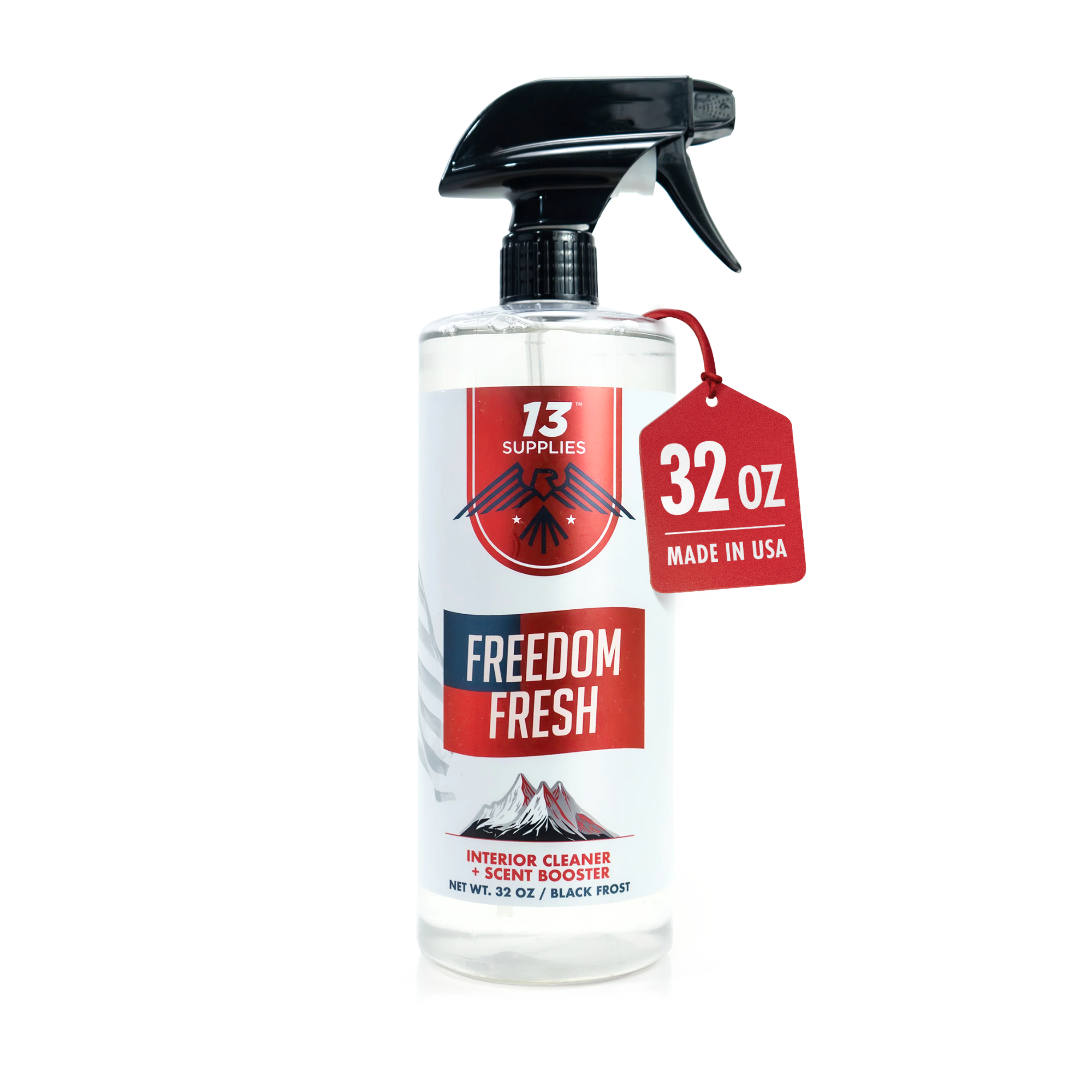
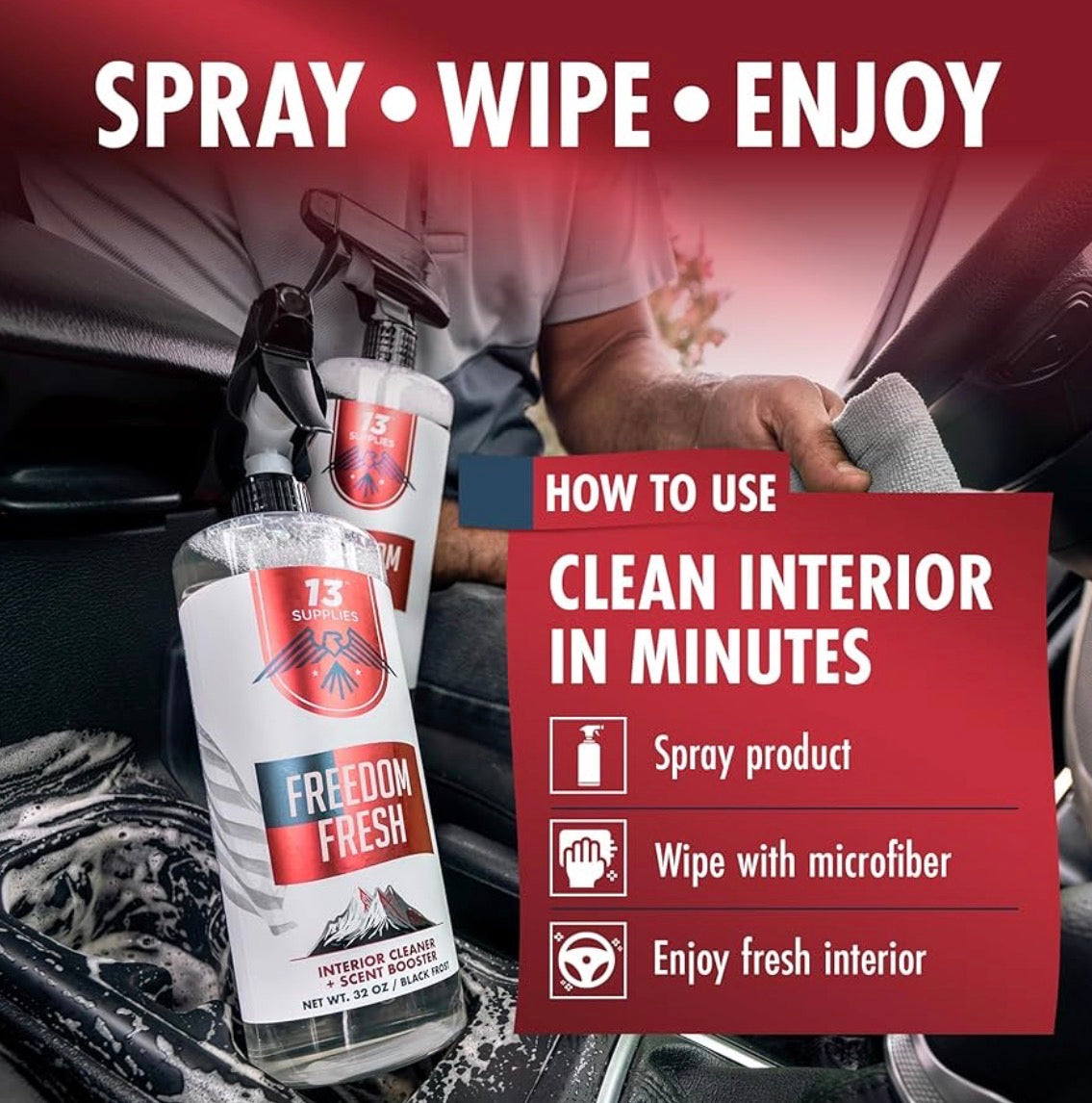
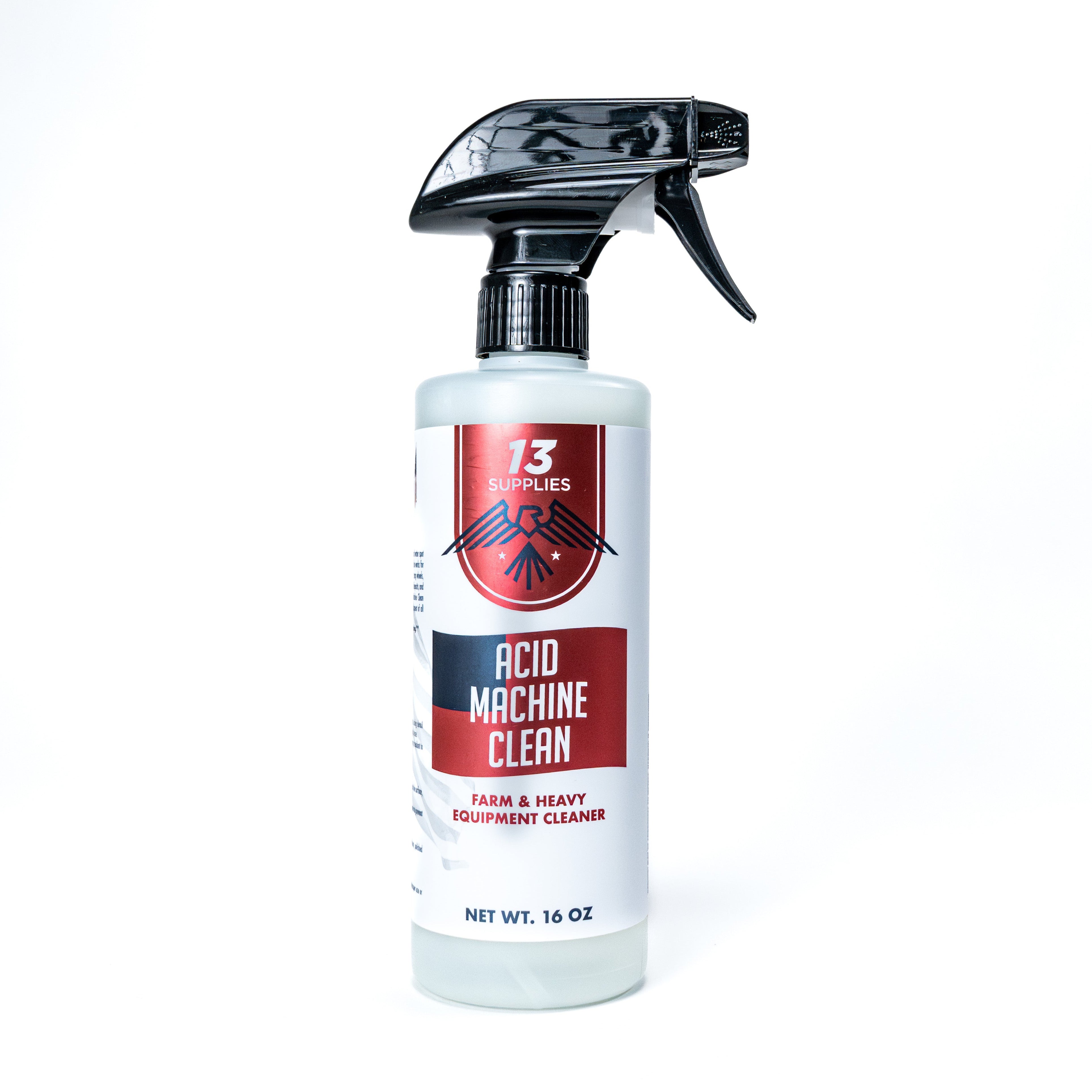
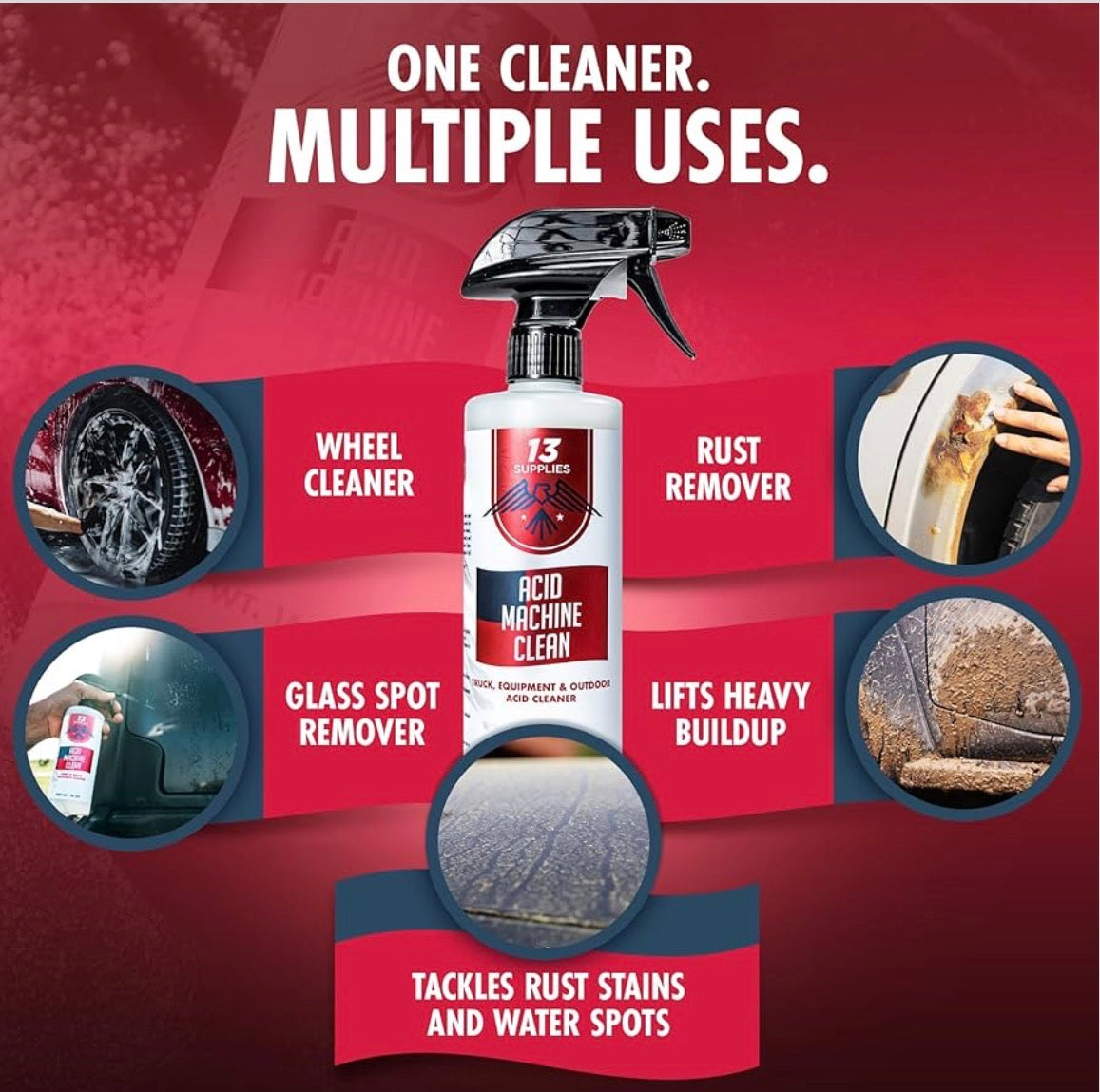
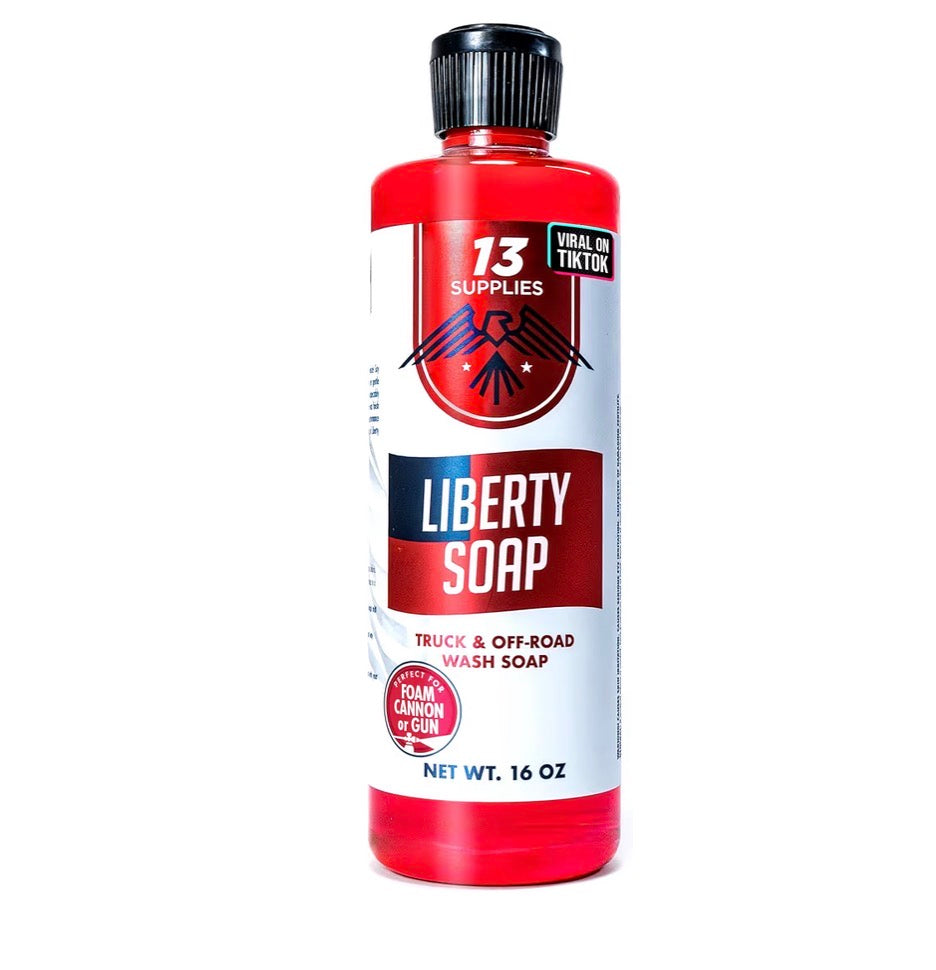
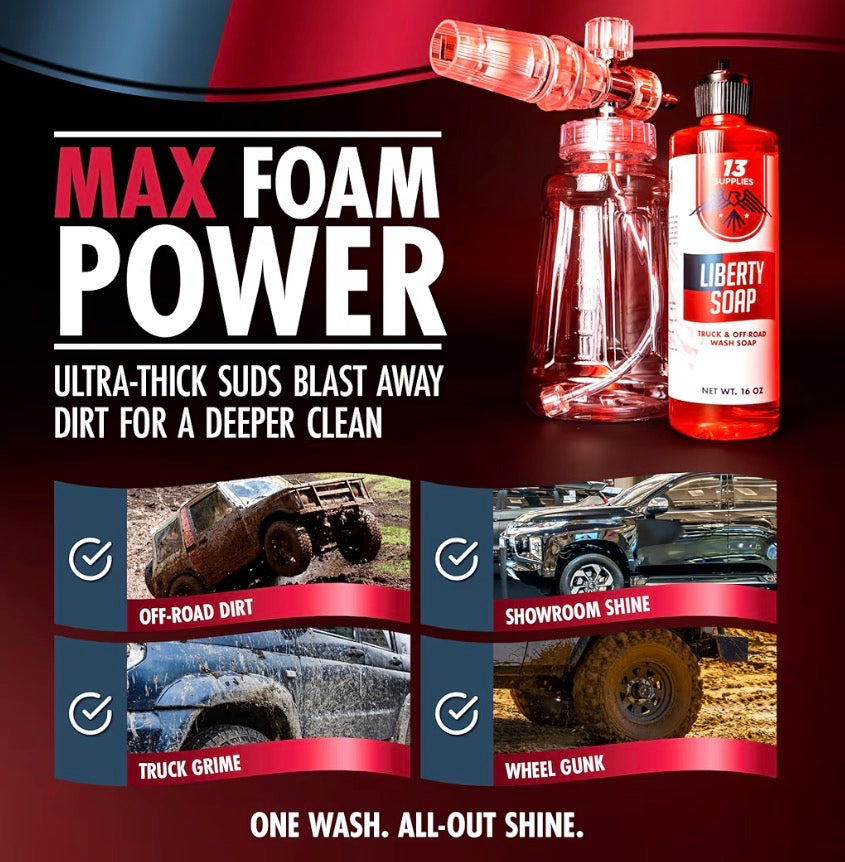
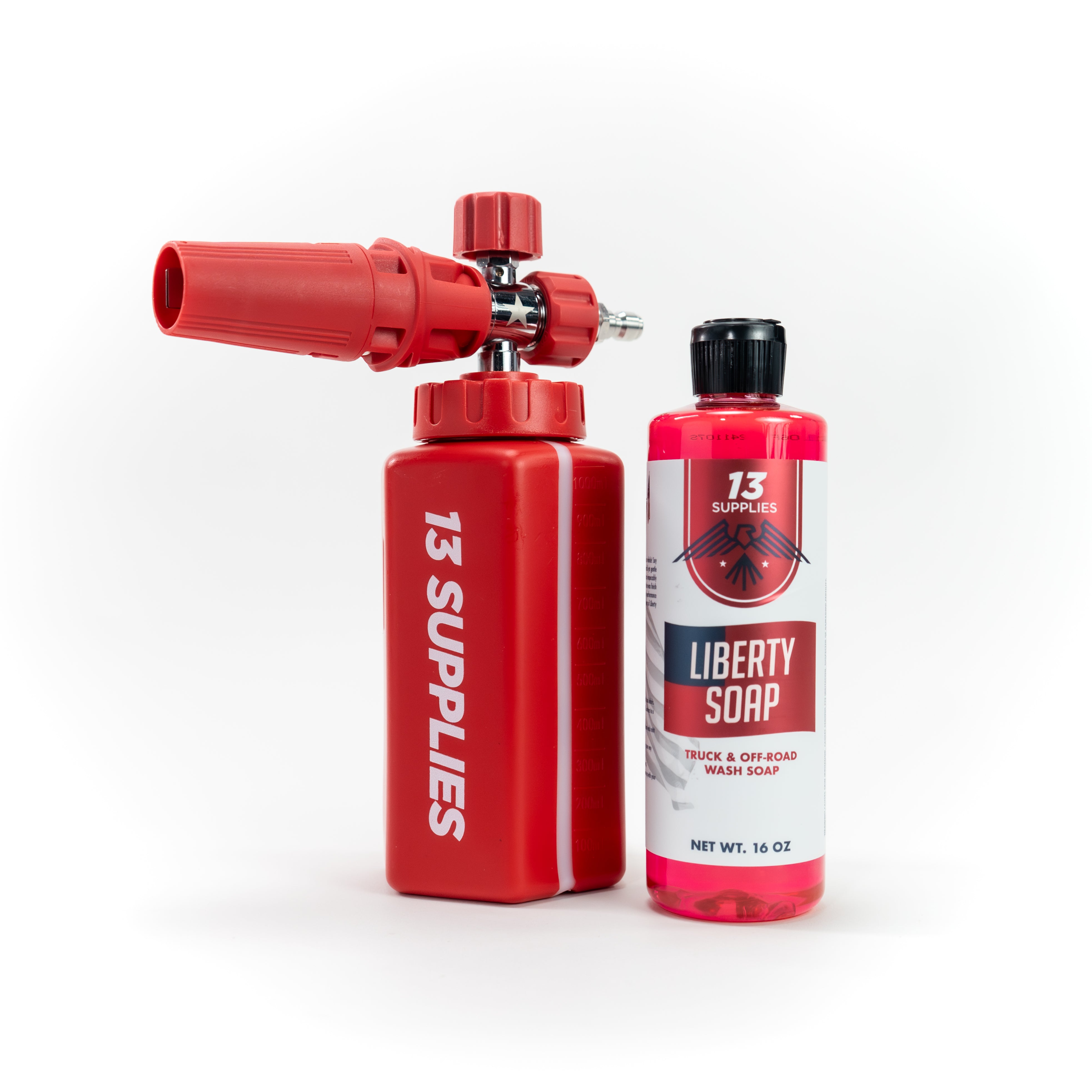
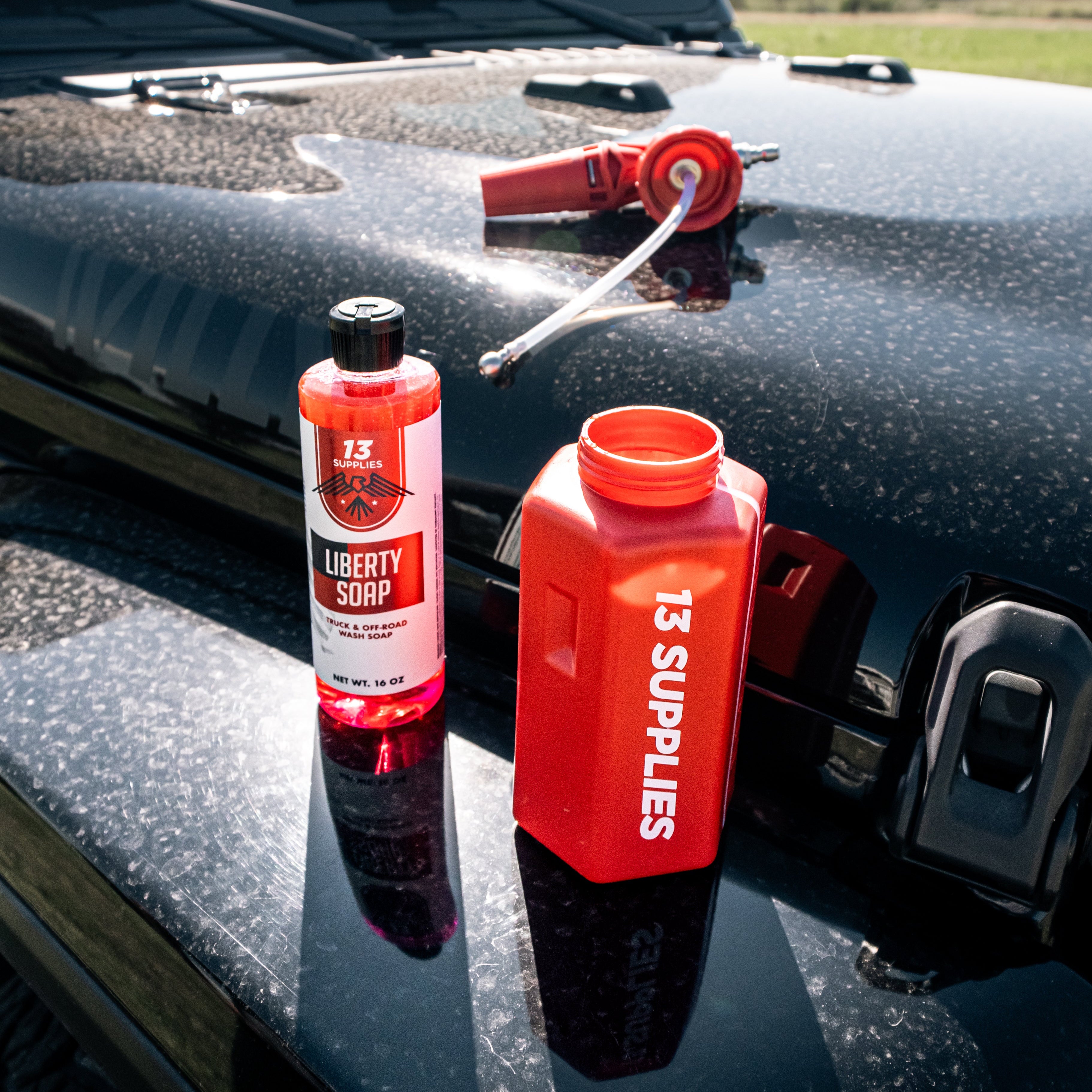
Why 13Supplies Boat Cleaners Work
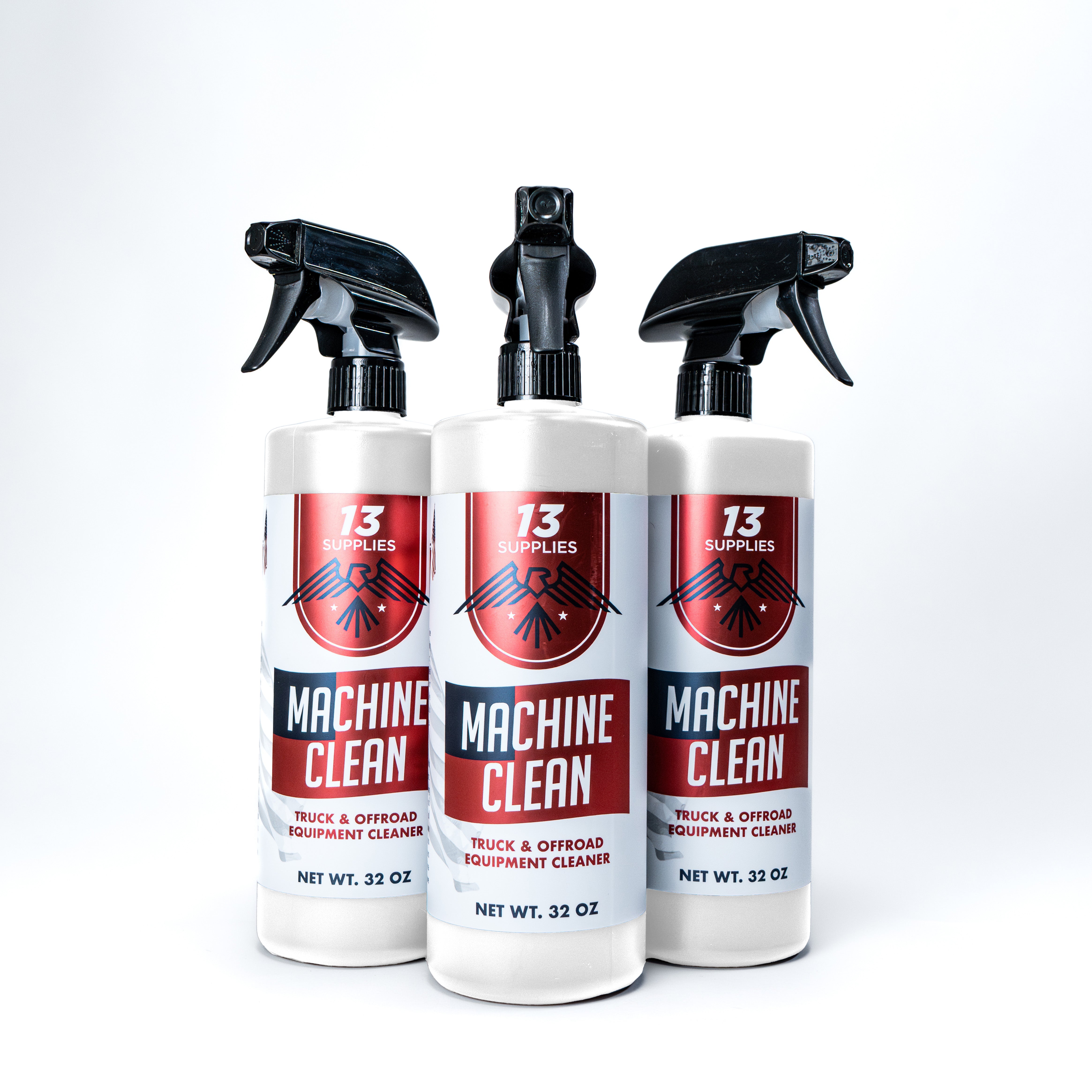
13Supplies pontoon cleaners are specifically formulated to restore aluminum surfaces while protecting the protective coatings essential to long-term durability. Our aluminum oxidation cleaner safely removes the white chalky buildup without stripping protective anodizing or creating new damage that accelerates future corrosion.
The formula works by gently dissolving oxidation at the chemical level, allowing for minimal scrubbing and reducing the risk of surface damage. Our deck cleaner addresses mineral deposits and water spots on flat surfaces, restoring shine without leaving residue that attracts new buildup. For vinyl seats and cushions, our non-abrasive cleaner lifts stains and dirt while protecting material integrity—critical for maintaining comfort and resale value. Non-abrasive formulation is key to pontoon care. Aggressive scrubbing and harsh chemicals remove the protective oxide layer that prevents future corrosion.
Safe for Aluminum Pontoons
Our formulations protect the anodized aluminum layer that provides long-term corrosion resistance. We avoid abrasive action that scratches and removes this protective layer, understanding that pontoons depend on aluminum’s protective chemistry for structural longevity.
Removes Oxidation & Stains
Our specialized chemistry dissolves oxidation and mineral stains at the molecular level. This approach removes discoloration without damaging underlying surfaces—critical for aluminum materials where aggressive scrubbing causes permanent damage.
Non-Abrasive Cleaning
We specifically formulate a gentle cleaning action that removes staining without surface scratching or material degradation. This approach extends pontoon lifespan and maintains protective coatings.
Restores Appearance Without Damage
Our products restore the original appearance of oxidized aluminum while preserving and extending the protective anodized layer. This approach provides aesthetic restoration and structural protection simultaneously.
How to Clean a Pontoon
Proper pontoon cleaning technique preserves surfaces while delivering professional results. Aluminum requires gentle chemical action rather than aggressive mechanical scrubbing. Following correct procedures protects your investment while maintaining safety and appearance.
Step-by-Step Guide:
Prepare the pontoon by removing loose items and securing any floating debris that could interfere with cleaning
Rinse all surfaces thoroughly with fresh water to remove salt, algae, and loose dirt
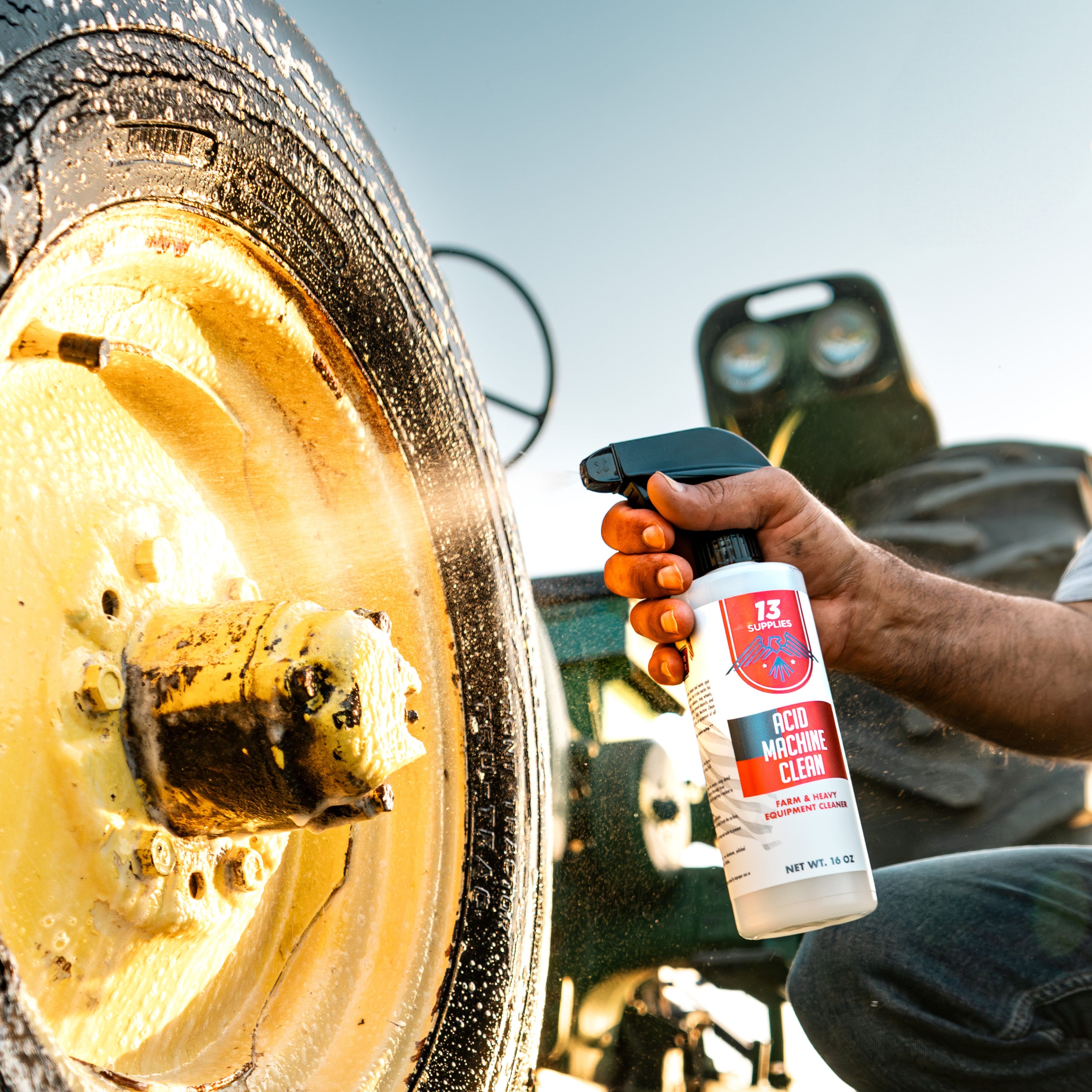
Apply aluminum oxidation cleaner to discolored or chalky surfaces and allow to work for recommended time

Gently scrub with soft-bristle brushes, avoiding aggressive pressure that scratches aluminum

Rinse the entire boat with fresh water to remove all cleaner residue and oxidation particles

Clean deck surfaces with appropriate deck cleaner to remove mineral deposits and water spots

Protect vinyl seats using non-abrasive cleaner designed for marine upholstery
Dry completely with microfiber towels to prevent mineral deposits from reforming
Prepare the pontoon by removing loose items and securing any floating debris that could interfere with cleaning
Rinse all surfaces thoroughly with fresh water to remove salt, algae, and loose dirt
Apply aluminum oxidation cleaner to discolored or chalky surfaces and allow to work for recommended time
Gently scrub with soft-bristle brushes, avoiding aggressive pressure that scratches aluminum
Rinse the entire boat with fresh water to remove all cleaner residue and oxidation particles
Clean deck surfaces with appropriate deck cleaner to remove mineral deposits and water spots
Protect vinyl seats using non-abrasive cleaner designed for marine upholstery
Dry completely with microfiber towels to prevent mineral deposits from reforming
FAQs: Pontoon Cleaning
Q: Can Machine Clean help chalkiness?
Q: Can Machine Clean help chalkiness?
Q: Can Machine Clean help with Calcium marks?
Q: Can Machine Clean help with Calcium marks?
Q: Will Machine Clean remove oxidation?
Q: Will Machine Clean remove oxidation?
Q: Can I Use Machine Clean on Fiberglass?
Q: Can I Use Machine Clean on Fiberglass?
Q: Will this damage aluminum pontoons?
Q: Will this damage aluminum pontoons?
No. Our pontoon cleaners are specifically formulated for aluminum and designed to remove oxidation safely without damaging protective anodizing. The non-abrasive formula prevents the surface scratching that accelerates future corrosion, making it ideal for long-term aluminum protection.
Q: Can oxidation be fully removed?
Q: Can oxidation be fully removed?
Yes. Our aluminum oxidation cleaner is highly effective at removing chalky oxidation and restoring the original finish. Results depend on oxidation severity—heavily oxidized surfaces may require multiple applications, but even old pontoons can achieve significant restoration with proper treatment.
Q: Are these safe for vinyl pontoon seats?
Q: Are these safe for vinyl pontoon seats?
Yes. Our non-abrasive cleaner is safe for vinyl, cushions, and upholstery material common on pontoons. It removes stains and dirt while protecting material integrity, maintaining comfort and extending the life of expensive pontoon seating.