
Boat Cleaning Products for Hull, Deck & Marine Surfaces
Remove algae, salt stains & waterline grime with marine-safe cleaners.
Common Boat Cleaning Challenges
Maintaining a boat’s appearance while protecting its finish is one of the most common challenges boat owners face. Salt water, algae buildup, and oxidation can quickly degrade hulls, fiberglass, and deck surfaces if not properly addressed. Waterline stains develop from mineral deposits and salt spray, creating unsightly rings that are difficult to remove with standard cleaners.
Fuel and oil marks accumulate from normal boating operations, leaving stubborn stains on decks and engine compartments. Sun exposure causes fading and chalky residue on older fiberglass, reducing your boat’s aesthetic appeal. Bird droppings and environmental contaminants eat through protective coatings when left untreated. Additionally, fresh and saltwater boats face different chemical challenges—saltwater accelerates corrosion while freshwater promotes algae growth. Most general-purpose cleaners fail to address these specific marine issues without causing damage to sensitive surfaces.
Saltwater Residue
Saltwater Residue
The mineral-rich nature of saltwater creates stubborn deposits on all boat surfaces. When saltwater evaporates, it leaves behind these salt crystals that bond to fiberglass, paint, and metal components. These deposits accumulate quickly in marine environments, especially on waterlines and above-the-water surfaces exposed to salt spray. Regular rinsing with fresh water helps, but once crystallized, salt deposits require specialized chemistry to remove effectively. The challenge increases with older boats where salt has penetrated micro-cracks in protective coatings.
Algae & Mold Growth
Algae & Mold Growth
For boats algae and mold thrive in the moist marine environment, particularly in shaded areas and around waterline surfaces. These biological growths not only look unsightly but also damage protective coatings and weaken structural materials over time. Algae appears as green or brown slime, while mold develops as black spots in areas with poor air circulation. Both feed on organic materials in the coating layers and require prompt removal to prevent permanent staining and structural damage.
Waterline Stains
Waterline Stains
The waterline is particularly vulnerable to staining from mineral deposits, algae, and tannins from surrounding water. These stains create dark rings or discoloration at the water surface, developing quickly and being difficult to remove with conventional methods. Waterline stains indicate where the boat sits in water and often represent the most visible problem area on older vessels.
Fuel & Oil Marks
Fuel & Oil Marks
Fuel transfers, engine operations, and hydraulic systems create oily residue and fuel stains on deck surfaces and bilge areas. These marks not only look unprofessional but also create slippery safety hazards. Oil-based stains require degreasing solutions that break down hydrocarbons without damaging the underlying surface.
Sun-Exposed Surface Fading
Sun-Exposed Surface Fading
Constant UV exposure causes fiberglass and painted surfaces to fade and become chalky—a condition called oxidation. The white, powdery appearance indicates the degradation of protective resin layers. This process accelerates in tropical climates and on vessels kept in the sun year-round.
The mineral-rich nature of saltwater creates stubborn deposits on all boat surfaces. When saltwater evaporates, it leaves behind these salt crystals that bond to fiberglass, paint, and metal components. These deposits accumulate quickly in marine environments, especially on waterlines and above-the-water surfaces exposed to salt spray. Regular rinsing with fresh water helps, but once crystallized, salt deposits require specialized chemistry to remove effectively. The challenge increases with older boats where salt has penetrated micro-cracks in protective coatings.
For boats algae and mold thrive in the moist marine environment, particularly in shaded areas and around waterline surfaces. These biological growths not only look unsightly but also damage protective coatings and weaken structural materials over time. Algae appears as green or brown slime, while mold develops as black spots in areas with poor air circulation. Both feed on organic materials in the coating layers and require prompt removal to prevent permanent staining and structural damage.
The waterline is particularly vulnerable to staining from mineral deposits, algae, and tannins from surrounding water. These stains create dark rings or discoloration at the water surface, developing quickly and being difficult to remove with conventional methods. Waterline stains indicate where the boat sits in water and often represent the most visible problem area on older vessels.
Fuel transfers, engine operations, and hydraulic systems create oily residue and fuel stains on deck surfaces and bilge areas. These marks not only look unprofessional but also create slippery safety hazards. Oil-based stains require degreasing solutions that break down hydrocarbons without damaging the underlying surface.
Constant UV exposure causes fiberglass and painted surfaces to fade and become chalky—a condition called oxidation. The white, powdery appearance indicates the degradation of protective resin layers. This process accelerates in tropical climates and on vessels kept in the sun year-round.
Recommended Boat Cleaning Products


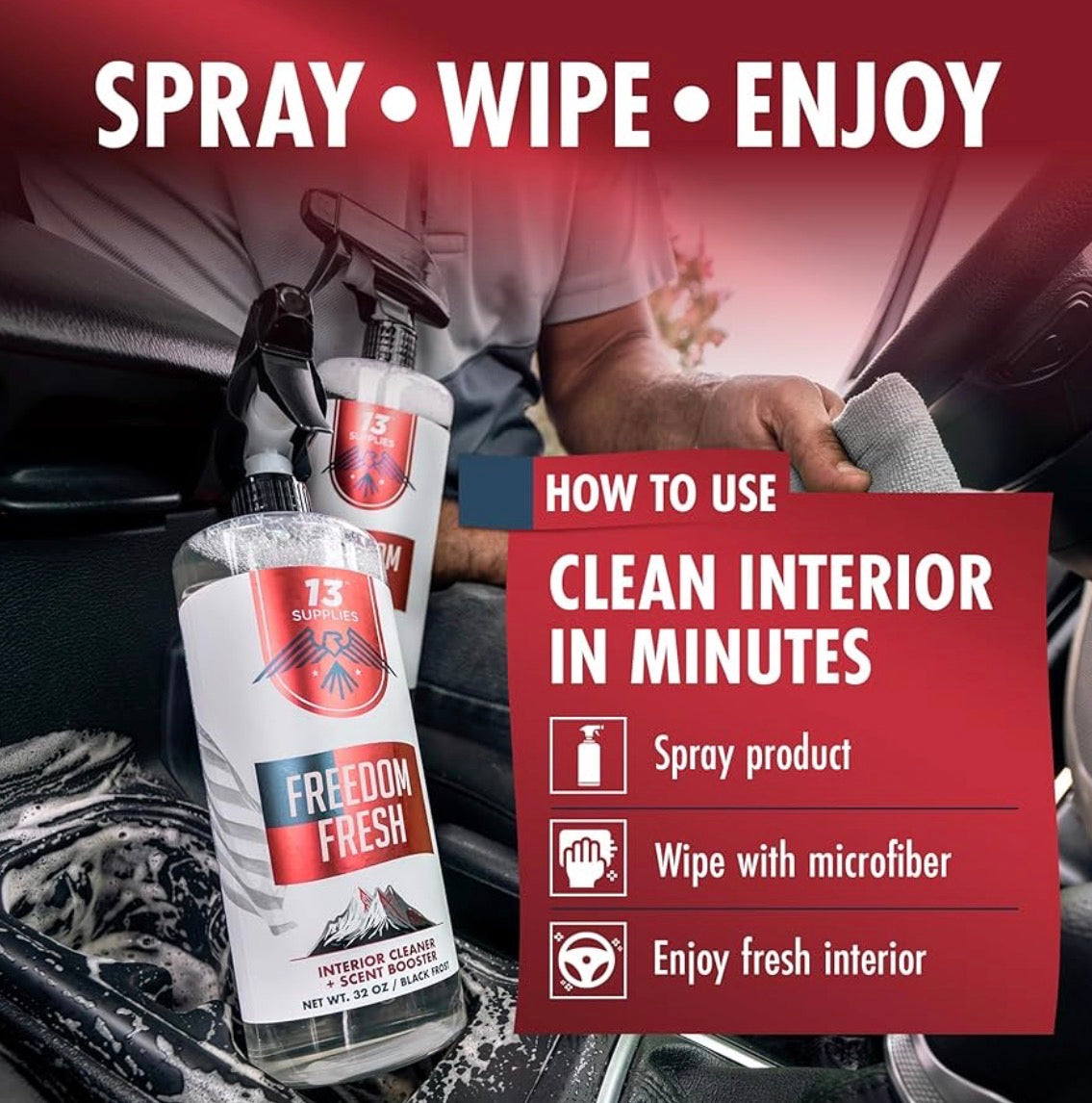
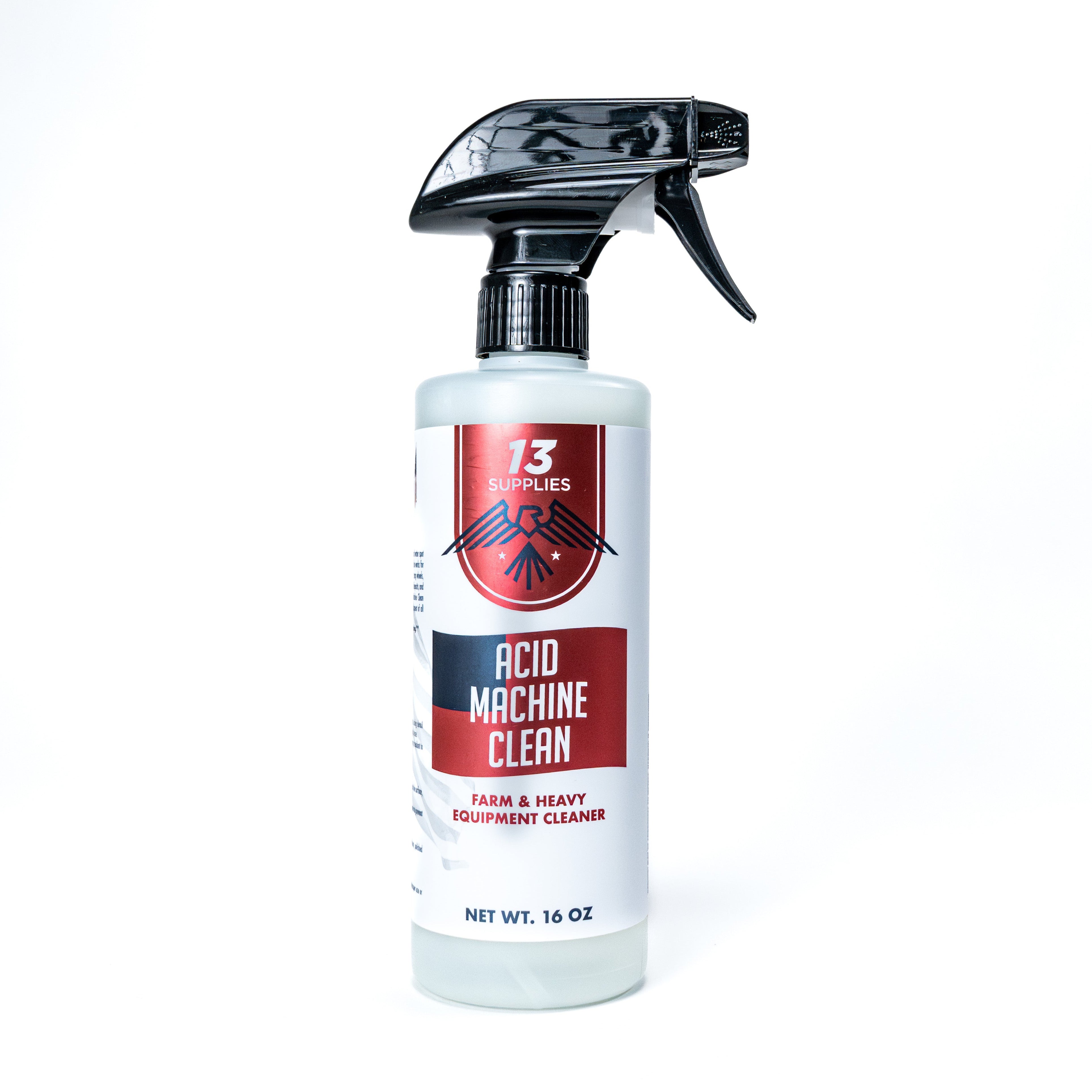
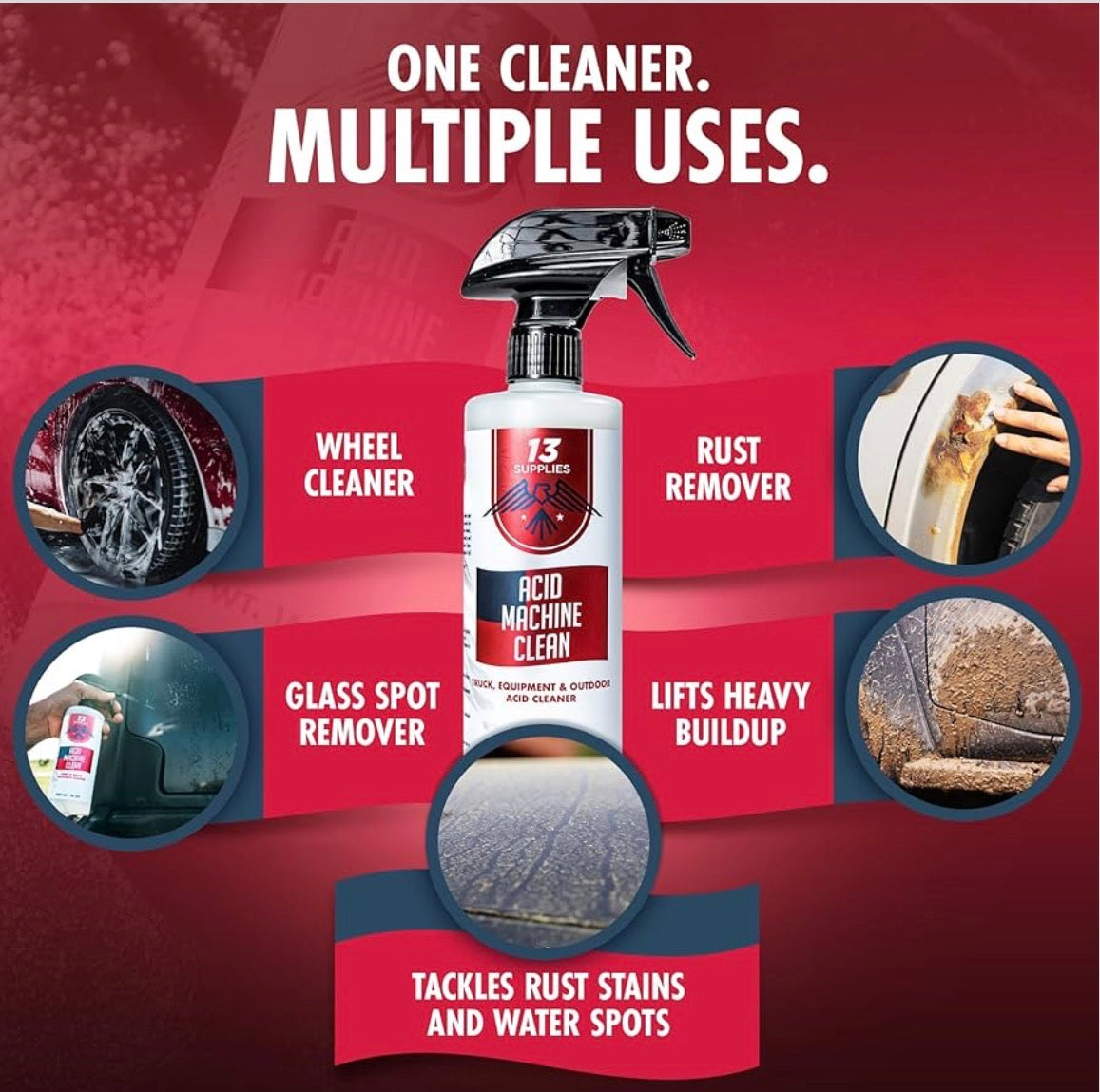
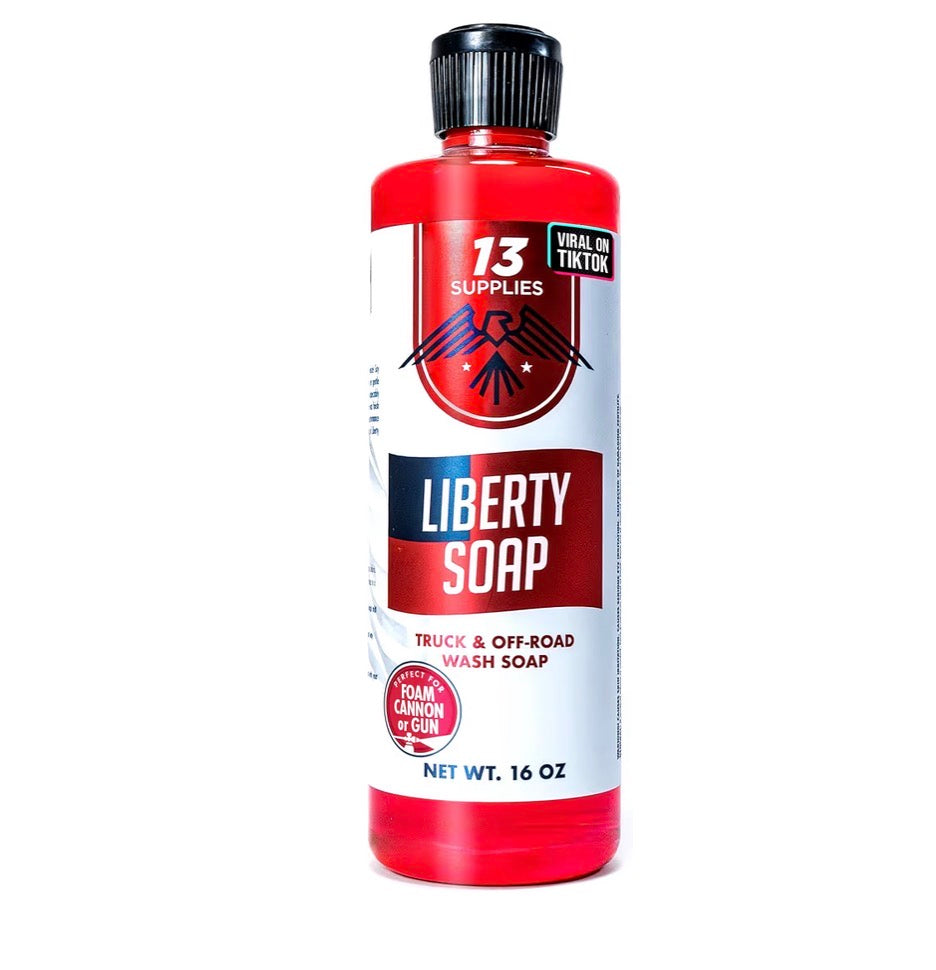
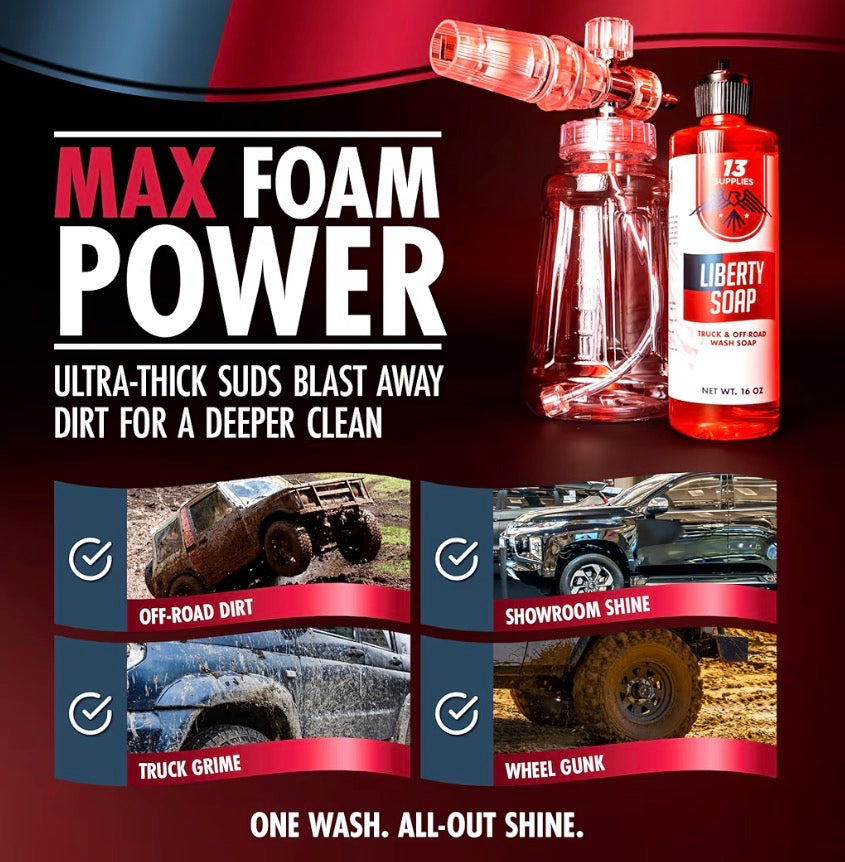
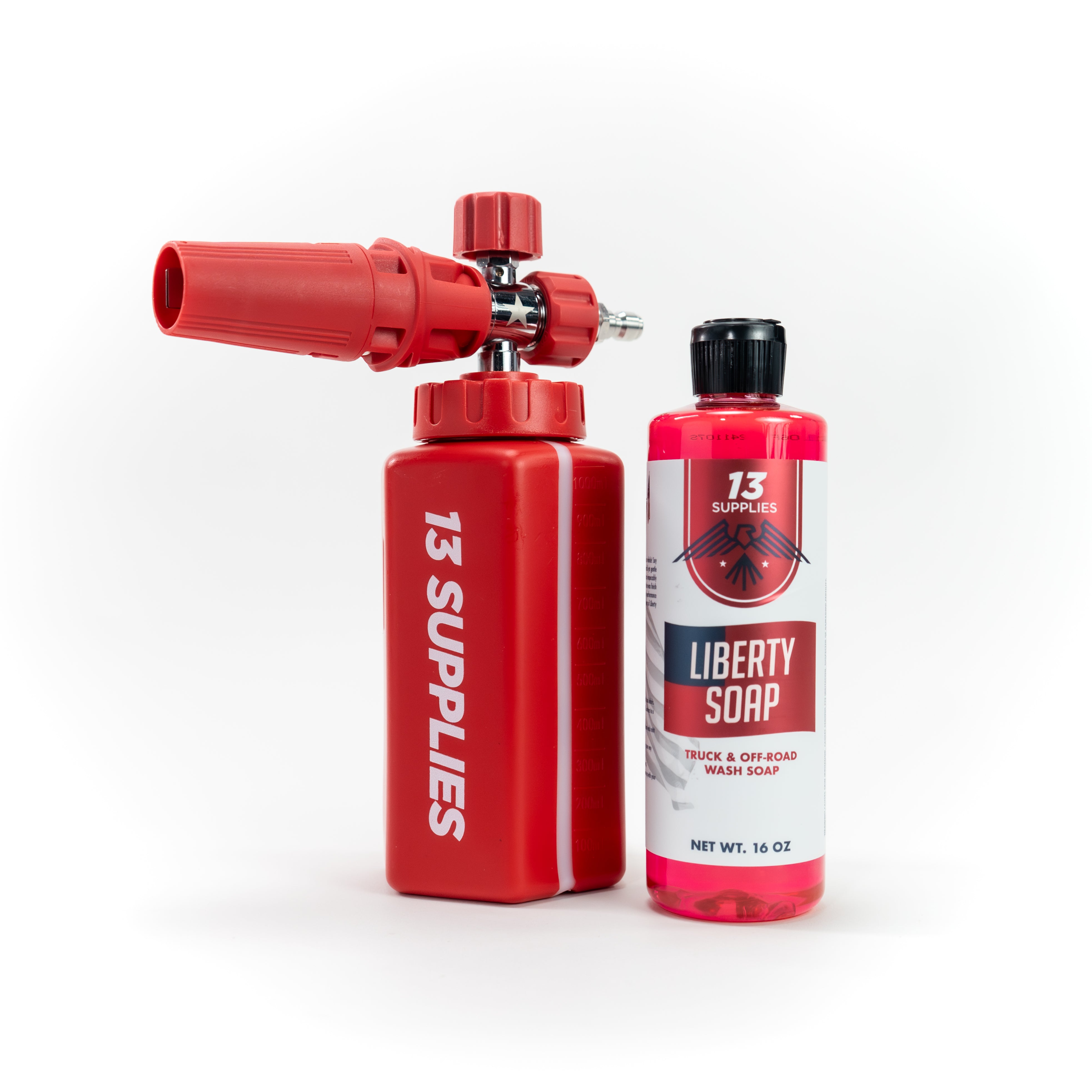
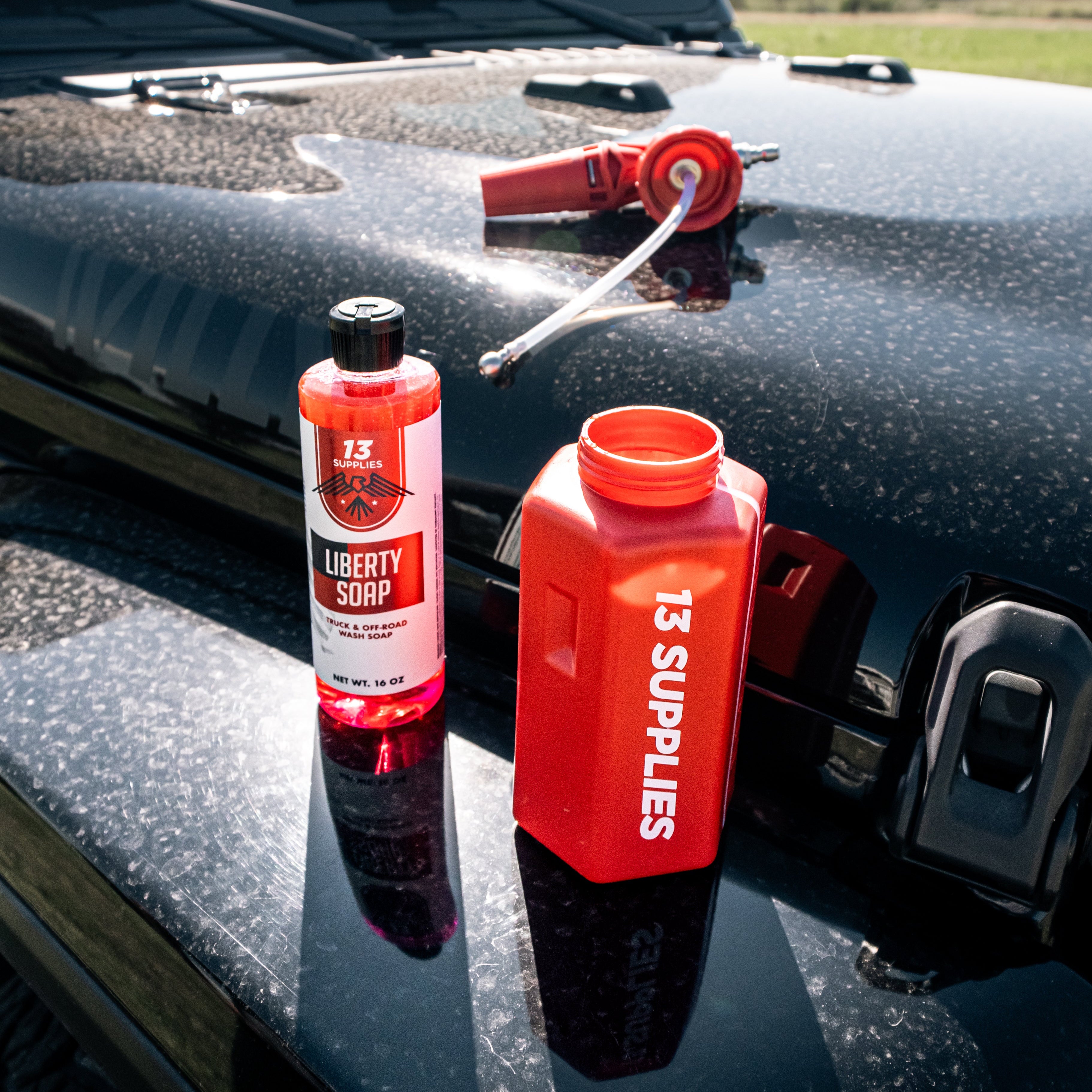
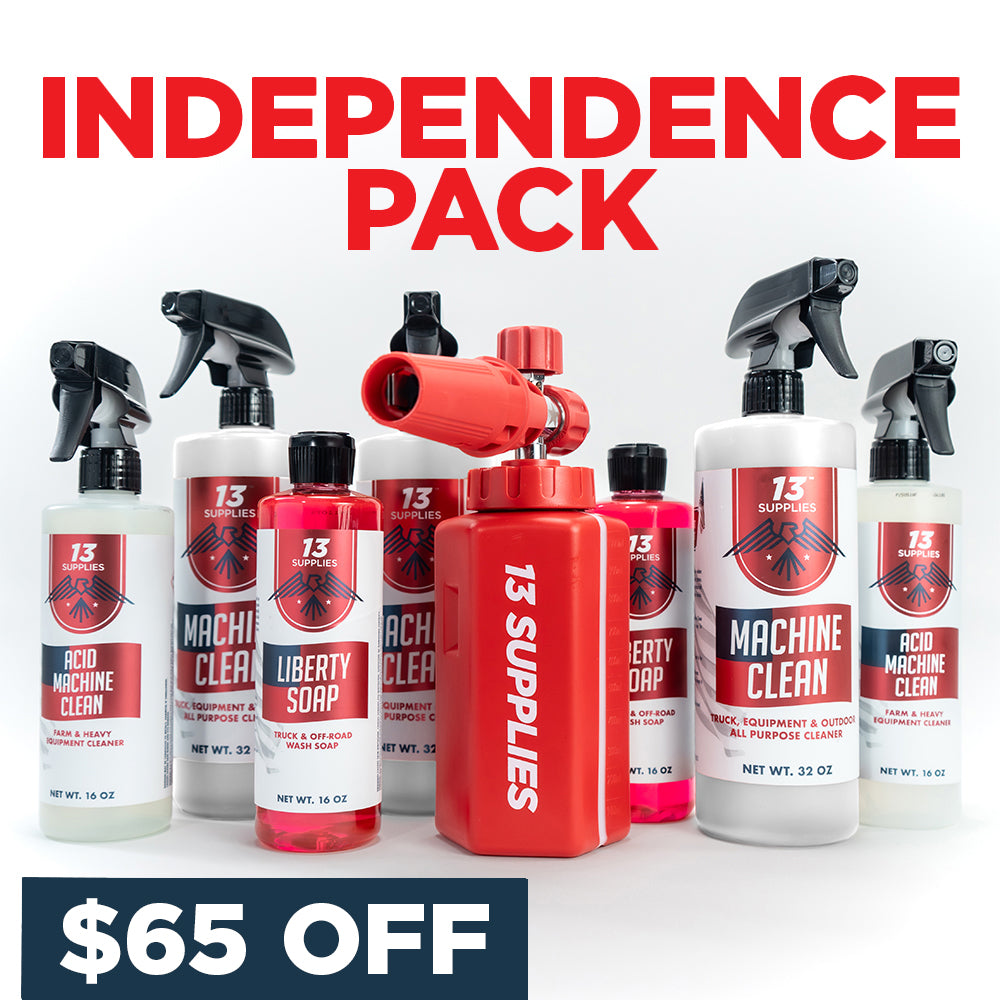
Why 13 Supplies Boat Cleaners Work
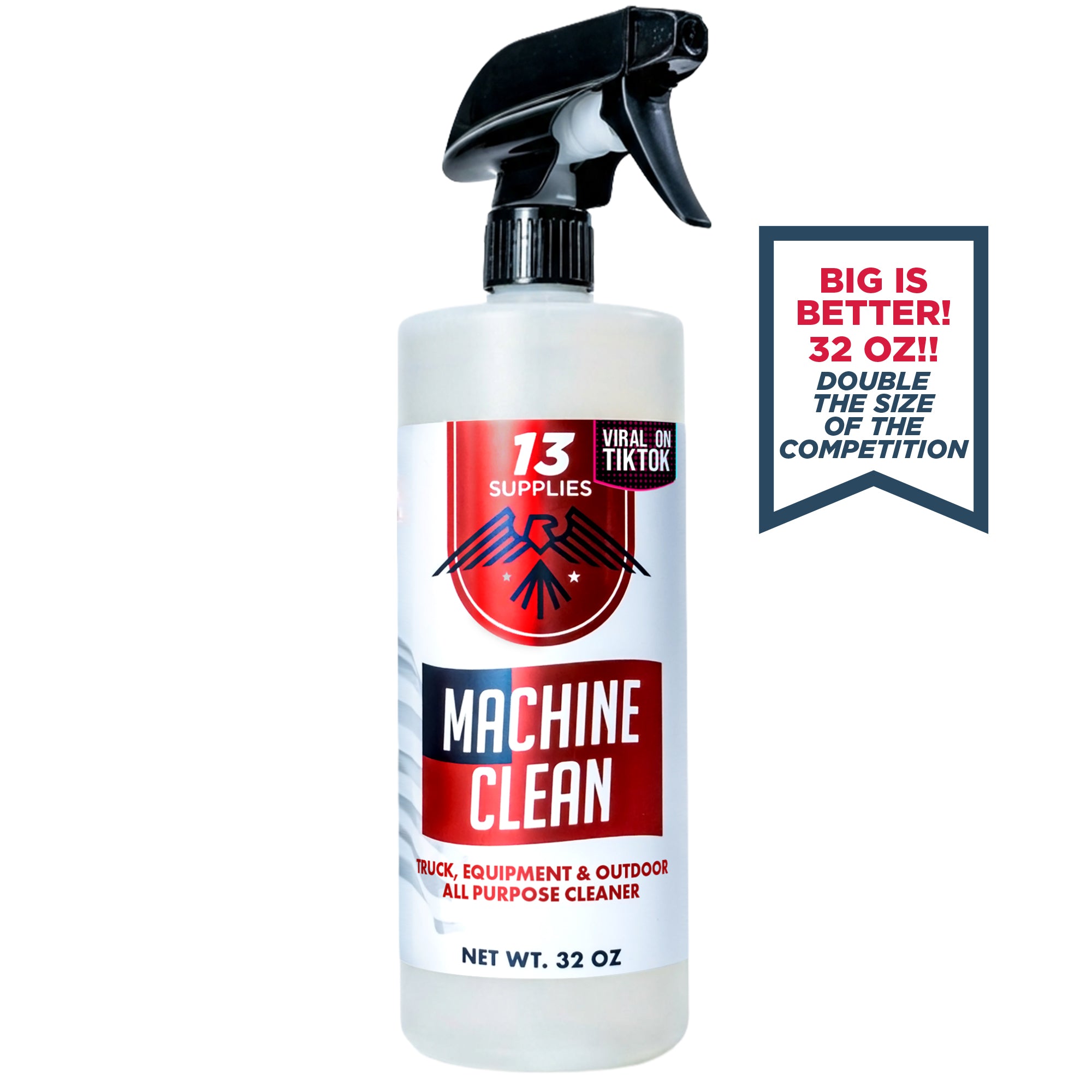
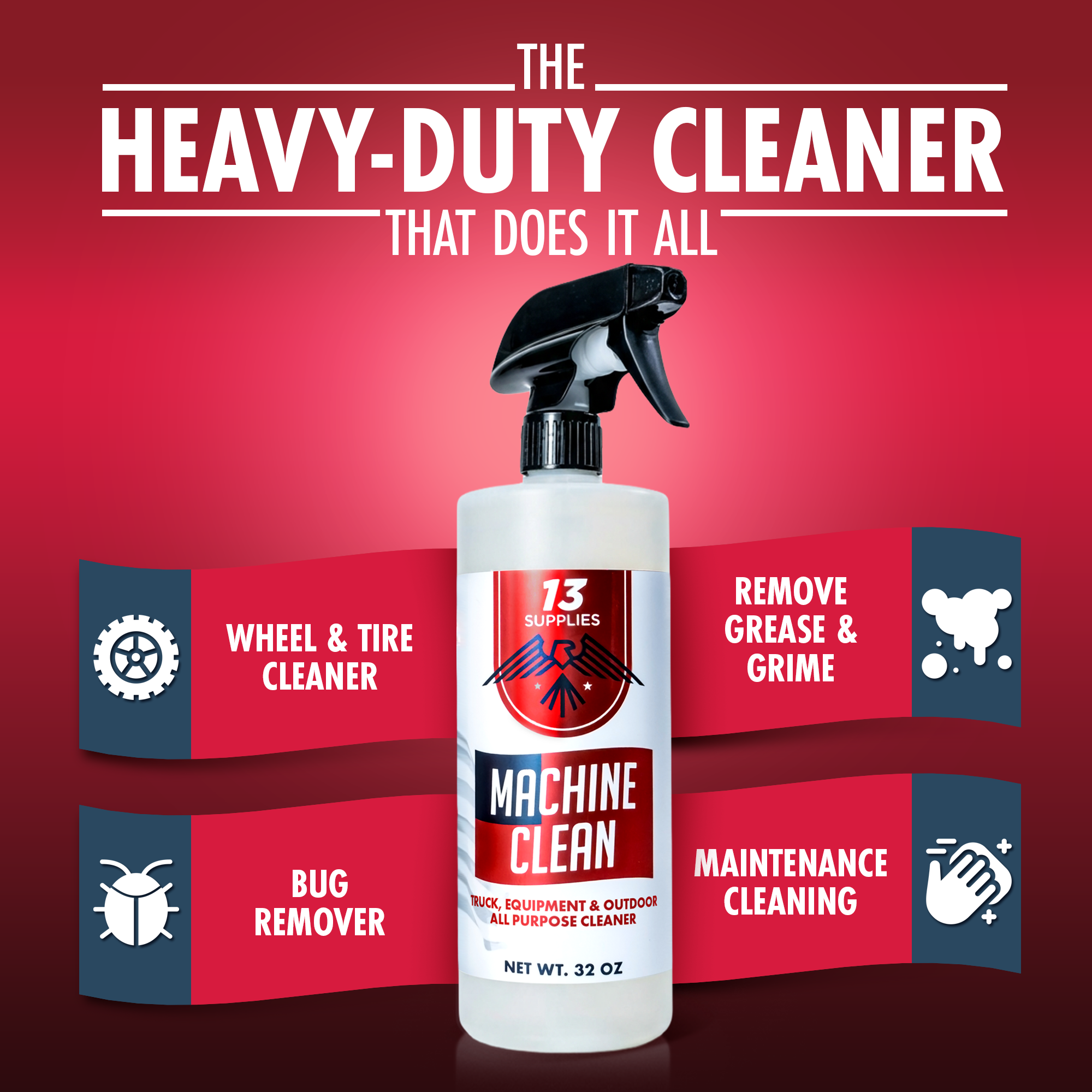
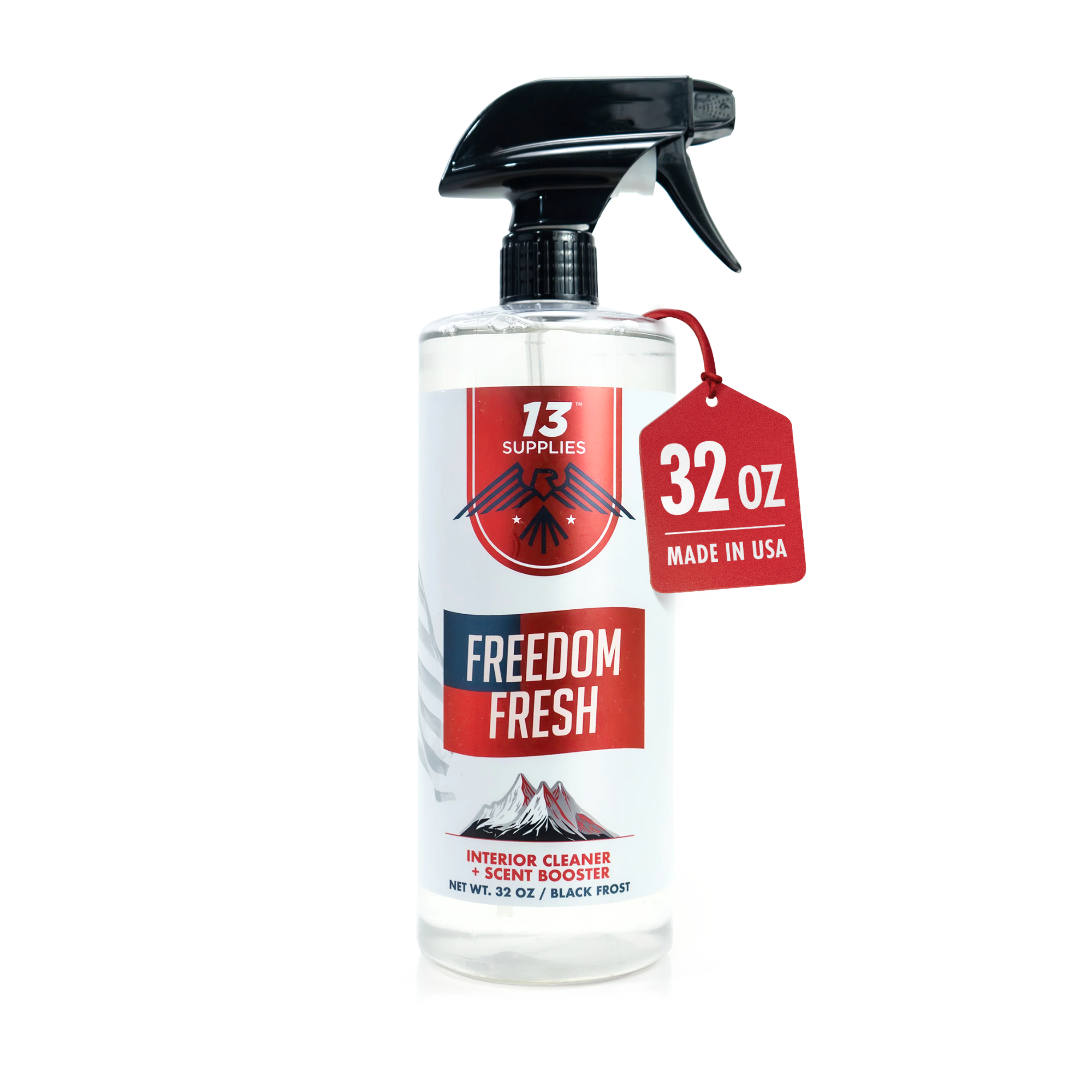
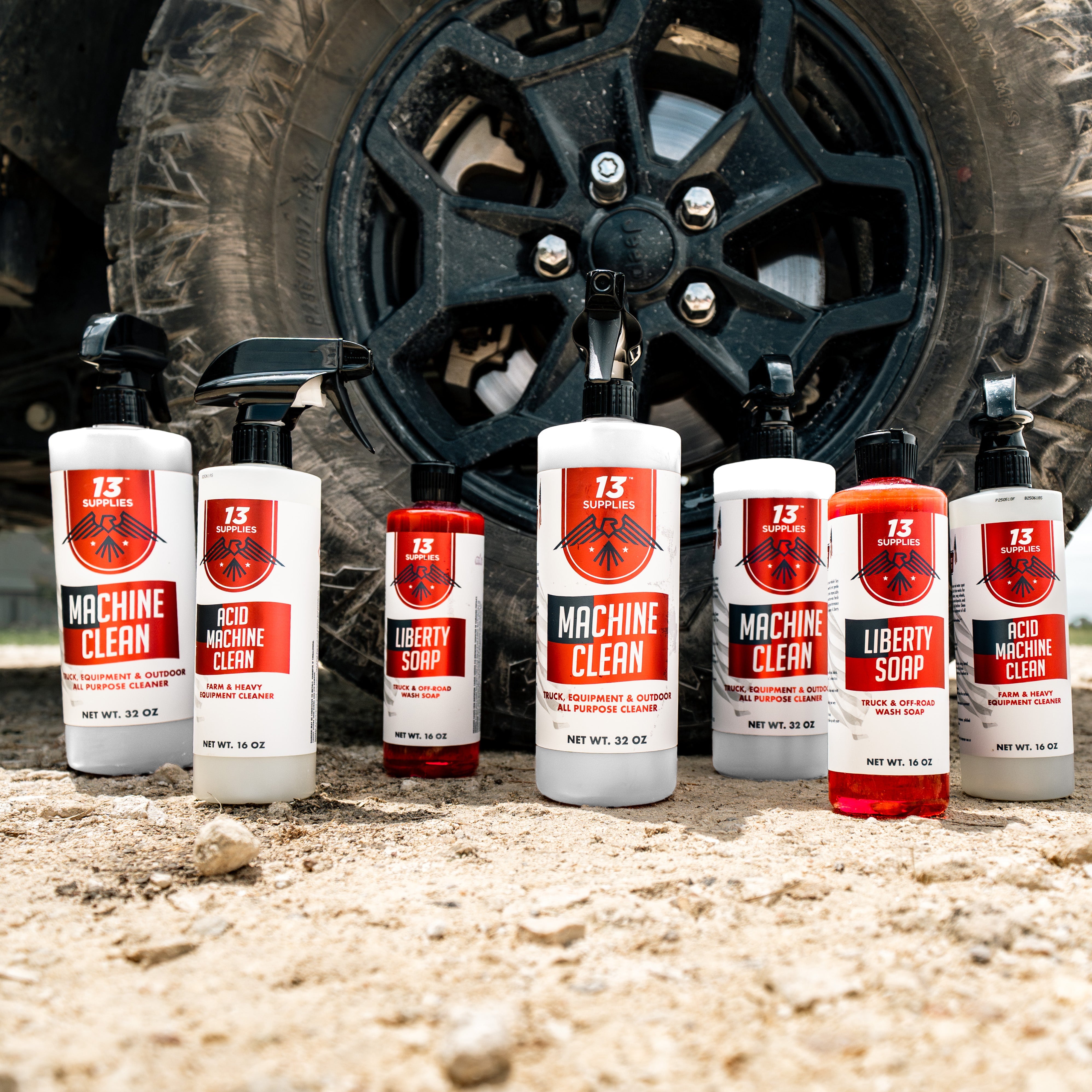
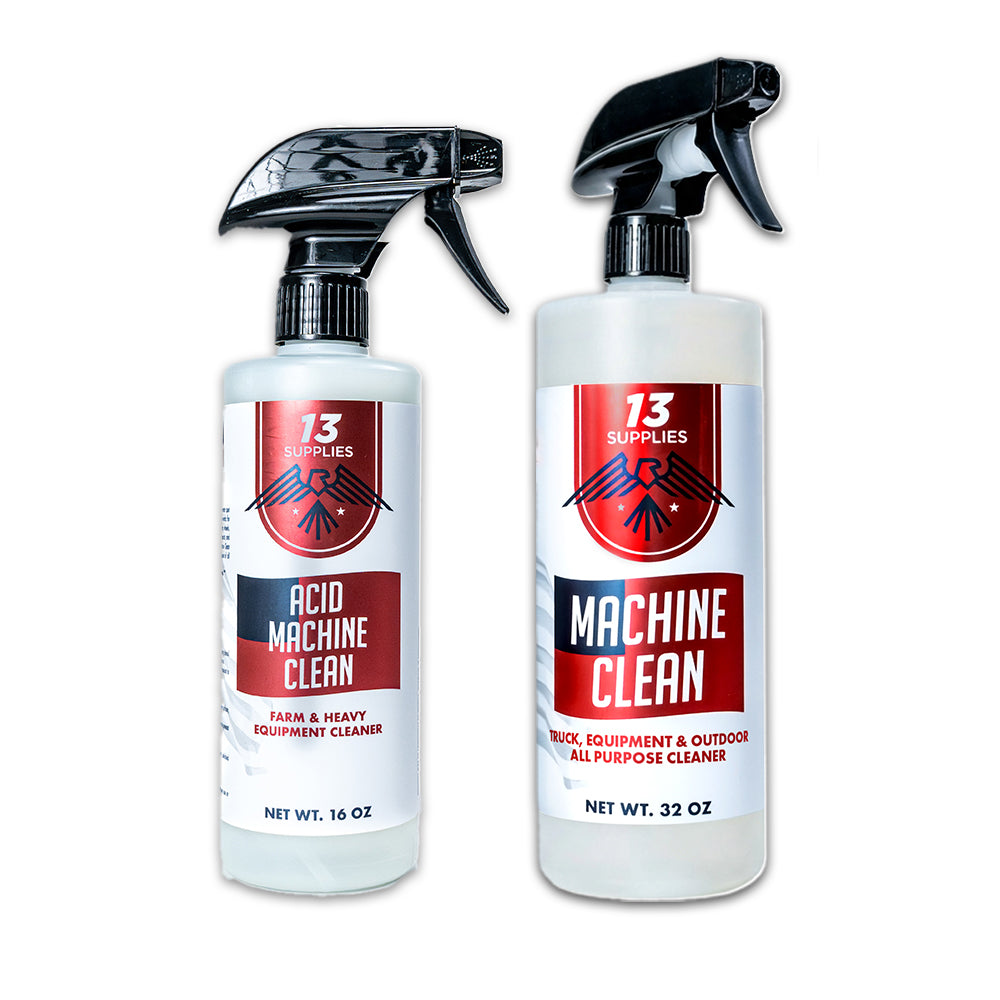
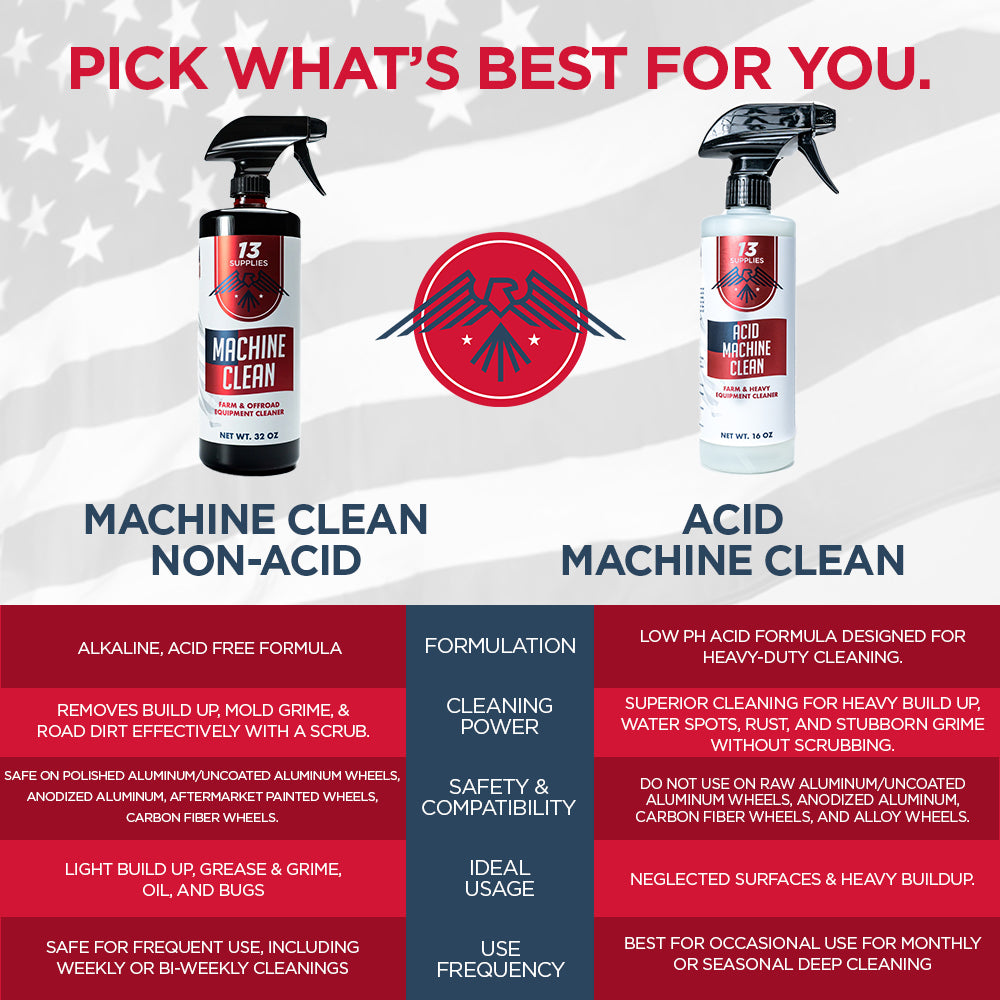
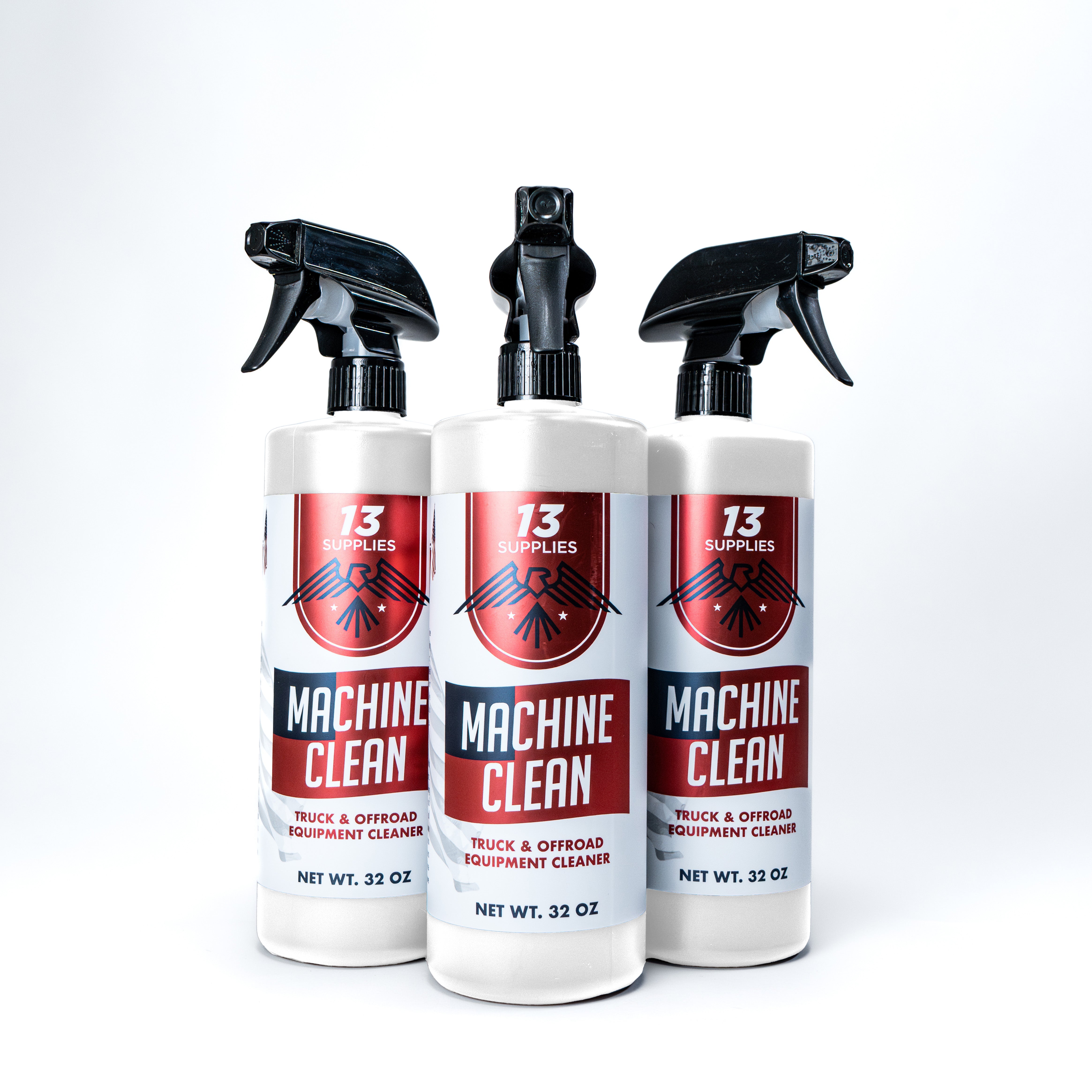
13 Supplies machine clean boat cleaners are formulated specifically for marine environments, combining proven chemistry with marine-safe ingredients. Our products are non-corrosive and gentle on fiberglass, aluminum, and painted surfaces while remaining powerful enough to tackle stubborn marine buildup. Each cleaner in our boat cleaning line targets specific issues.
Our waterline cleaner dissolves mineral deposits and salt stains without requiring excessive scrubbing. Our marine surface cleaner breaks down oxidation and algae while protecting the clear coat. For fuel and oil marks, our specialized degreaser lifts contaminants without leaving residue or affecting the boat’s finish. The key difference is formulation—our cleaners work with marine chemistry rather than against it. They’re pH-balanced to prevent damage to sensitive gel coats and won’t harm surrounding water ecosystems.
Marine-Safe & Non-Corrosive
Our formulations contain no harsh chemical compounds that would accelerate corrosion on aluminum fittings, stainless steel fasteners, or galvanized hardware. Marine environments present unique corrosion challenges due to saltwater and constant moisture exposure. Our products actively work to prevent corrosion progression while safely removing buildup that can trap moisture against metal surfaces.
Effective on Fiberglass, Gelcoat & Vinyl
Boat surfaces include multiple material types—fiberglass hulls, gelcoat finishes, vinyl railings, and plastic windows. Our cleaner formulations are engineered to clean all these materials effectively without causing crazing (micro-cracking), discoloration, or loss of clarity on windows and transparent surfaces.
Removes Salt Buildup Without Damage
Rather than using abrasive scrubbing action that scratches protective coatings, our cleaners chemically dissolve salt deposits at the molecular level. This allows safe removal of salt buildup with minimal agitation and no risk of surface damage.
Suitable for Fresh & Saltwater Boats
Whether your boat operates in ocean, bay, river, or lake environments, our cleaners address the specific challenges of that water chemistry. Saltwater boats need corrosion prevention while freshwater boats require algae and tannin removal strategies.
How to Use on Boats
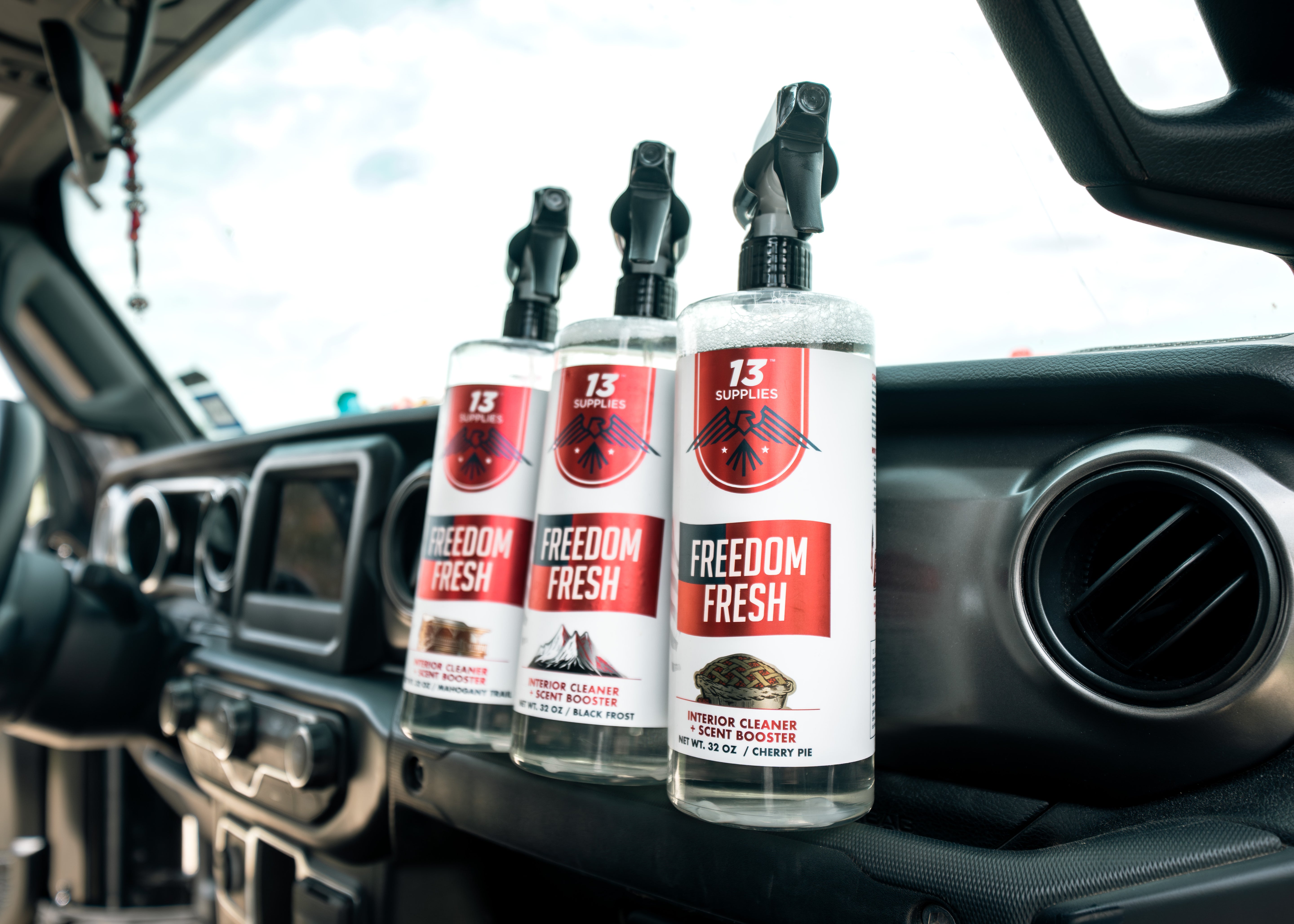
Proper application technique ensures the best results and fastest cleaning times. Start by preparing the boat in a shaded area to prevent the machine cleaner from drying too quickly. Using correct techniques protects your boat’s finish while maximizing cleaning efficiency.
Step-by-Step Guide:
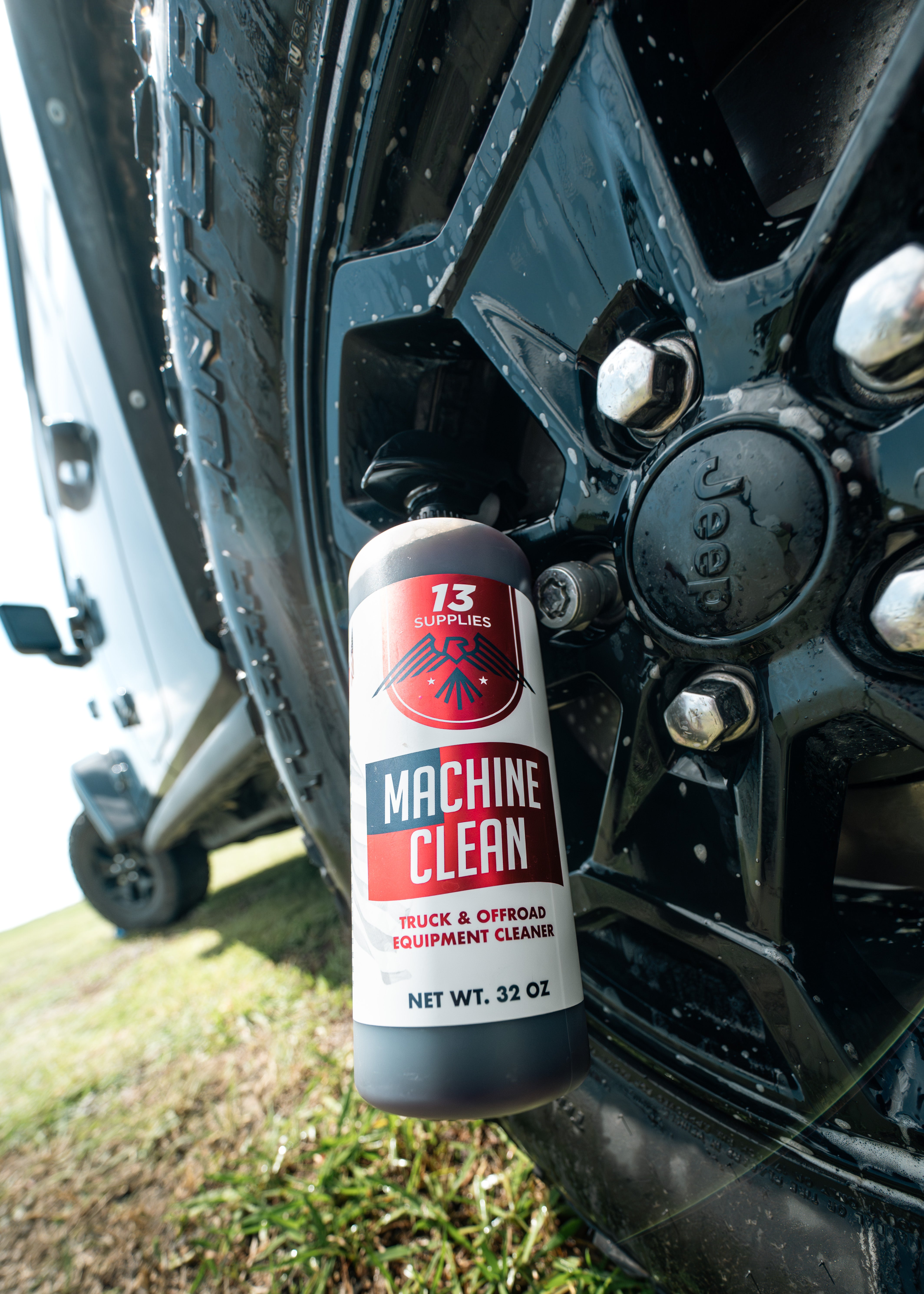
Rinse the boat thoroughly with fresh water to remove loose salt, debris, and algae
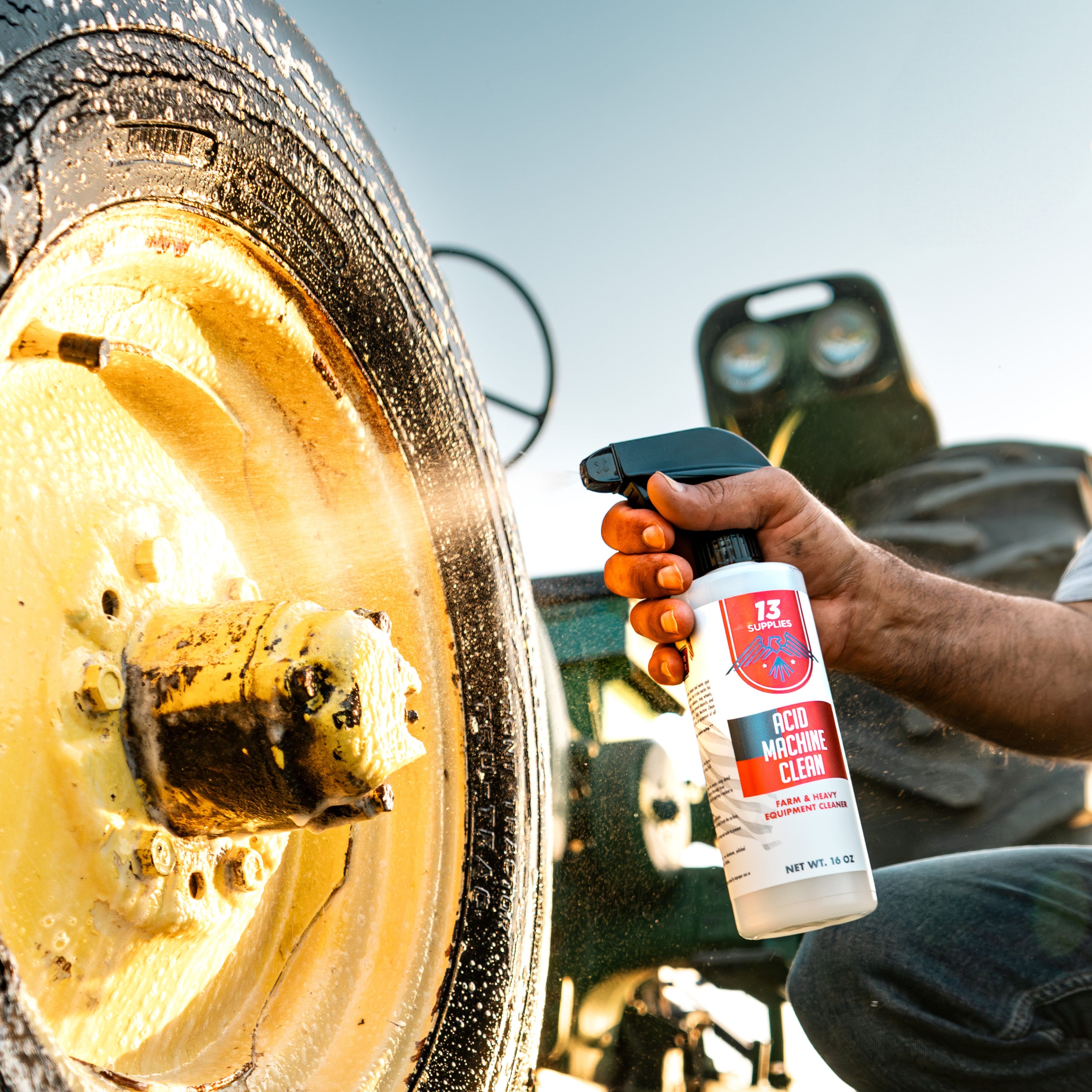
Apply the appropriate cleaner according to the specific problem area (hull, deck, waterline, or engine)
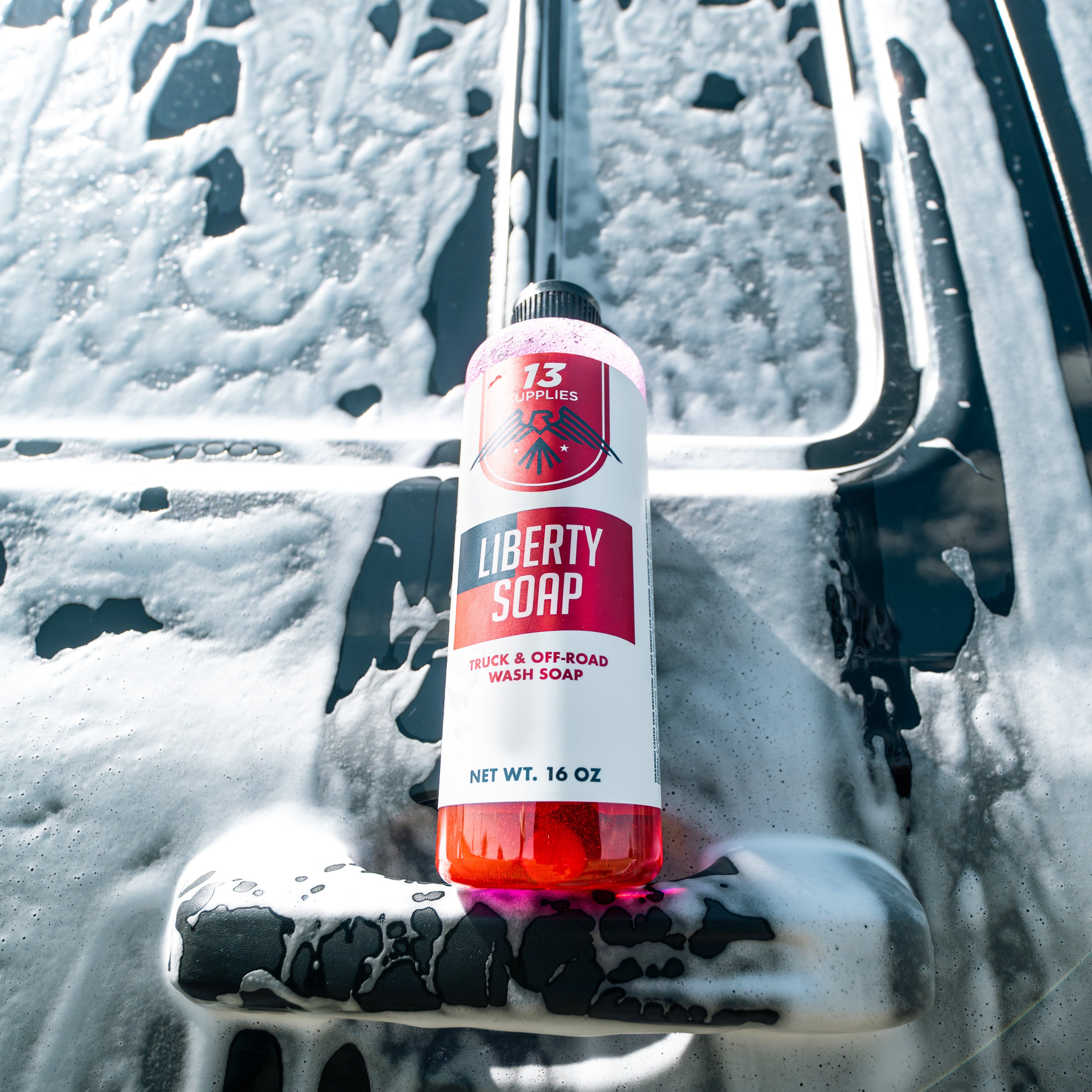
Spray or brush the cleaner onto the affected surface and allow 5-10 minutes for chemical action
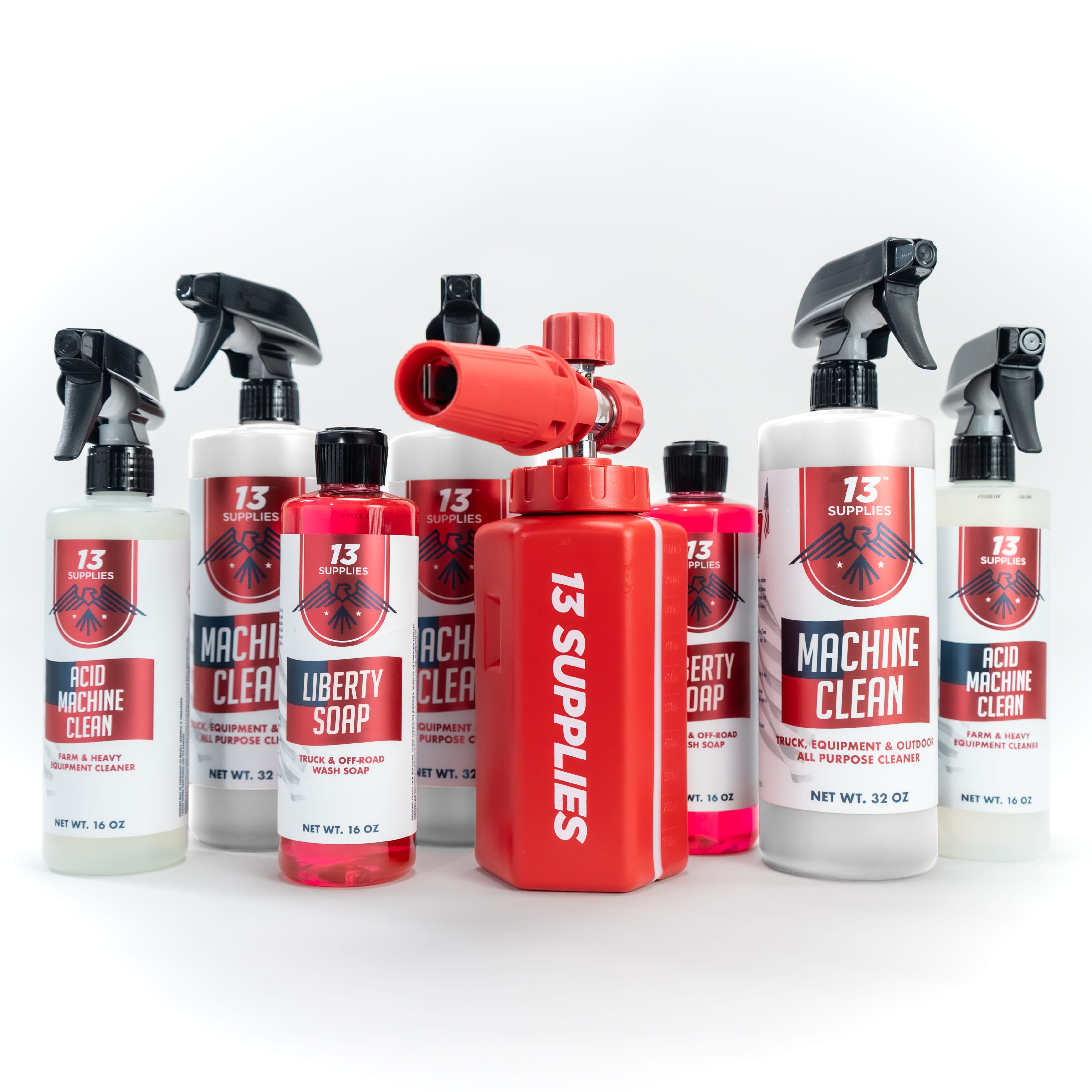
Scrub gently with a soft-bristle brush or microfiber cloth to lift buildup without scratching

Rinse completely with fresh water to remove all cleaner residue and dissolved contaminants
Dry with microfiber towels to prevent water spots and mineral deposits
Apply protective coating if recommended for your boat type
Rinse the boat thoroughly with fresh water to remove loose salt, debris, and algae
Apply the appropriate cleaner according to the specific problem area (hull, deck, waterline, or engine)
Spray or brush the cleaner onto the affected surface and allow 5-10 minutes for chemical action
Scrub gently with a soft-bristle brush or microfiber cloth to lift buildup without scratching
Rinse completely with fresh water to remove all cleaner residue and dissolved contaminants
Dry with microfiber towels to prevent water spots and mineral deposits
Apply protective coating if recommended for your boat type
FAQs: Boat Cleaning
Q; Can Machine Clean help chalkiness?
Q; Can Machine Clean help chalkiness?
Q: Can Machine Clean help with Calcium marks?
Q: Can Machine Clean help with Calcium marks?
Q: Will Machine Clean remove oxidation?
Q: Will Machine Clean remove oxidation?
Q: Can I Use Machine Clean on Fiberglass?
Q: Can I Use Machine Clean on Fiberglass?
Q: Are these cleaners safe for fiberglass boats?
Q: Are these cleaners safe for fiberglass boats?
Yes. 13Supplies boat cleaners are specifically formulated to be safe for fiberglass, gel coat, and marine paint. Machine cleans non-abrasive and pH-balanced to protect sensitive surfaces while effectively removing oxidation, algae, and salt stains without causing crazing or damage.
Q: Can I use these products in saltwater environments?
Q: Can I use these products in saltwater environments?
Absolutely. Our cleaners are designed for saltwater use and specifically address salt spray damage, mineral deposits, and corrosion common in ocean environments. They work effectively on both saltwater and freshwater boats, with formulations tailored to each water chemistry.
Q: Will these cleaners damage marine paint?
Q: Will these cleaners damage marine paint?
No. Our formulas are engineered to clean without damaging modern marine paints or protective coatings. Always rinse thoroughly after application and avoid using on extremely hot surfaces for optimal protection of your boat's finish.