
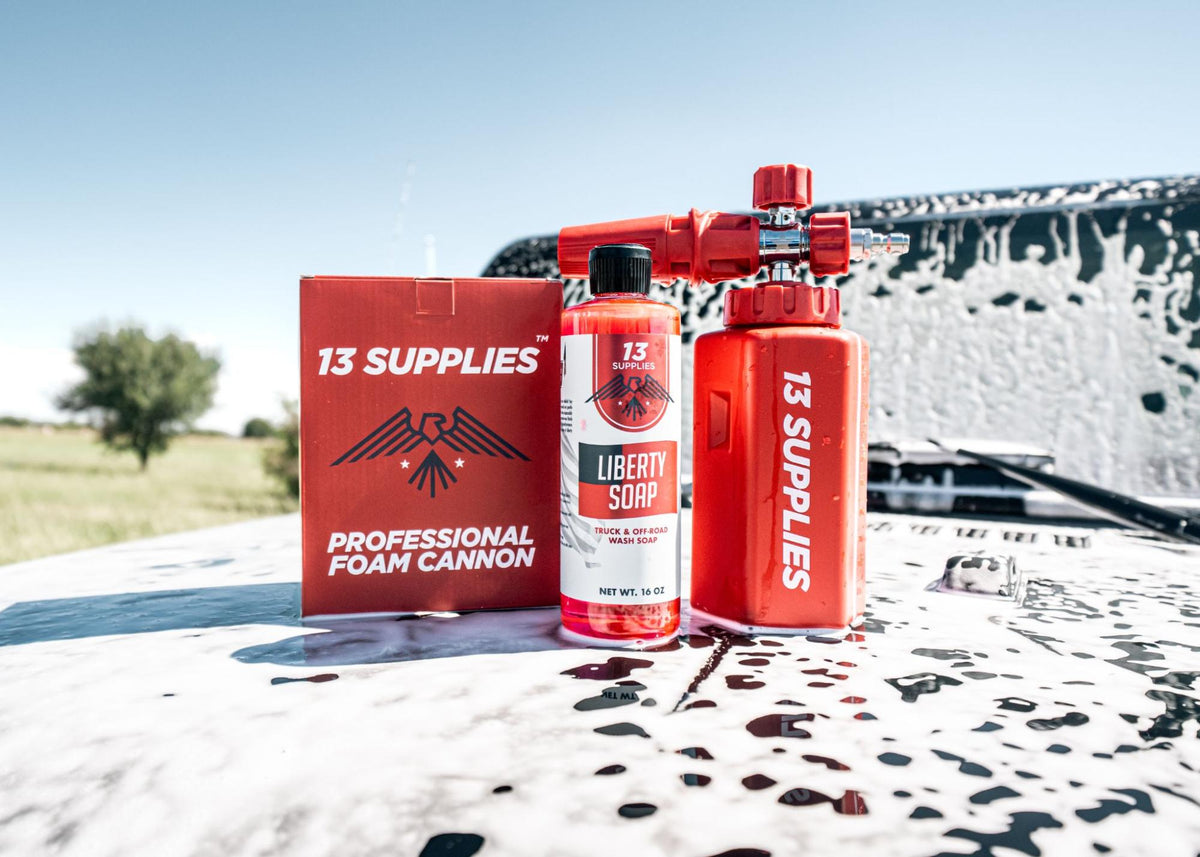
If you have watched a single detailing video, you have seen a truck vanish under a thick blanket of white suds and thought, “I want that.” Then you go shopping and hit the first wall: is that a foam cannon or a foam sprayer, and which one do you actually need? They look alike and cost about the same, but they are not the same tool — and picking wrong means weak, watery suds and a frustrating wash. Here is the straight foam cannon vs foam sprayer breakdown, no hype, so you buy the right one the first time.
Key Takeaways
- A foam cannon runs off a pressure washer; a foam sprayer (foam gun) runs off your garden hose. That one difference drives the foam thickness, the price, and the cleaning power.
- A foam cannon makes thicker, longer-clinging foam and cleans harder — best if you already own (or do not mind buying) a pressure washer.
- A foam sprayer is cheaper and simpler and works off a hose — a great starter for a car that stays reasonably clean.
- Your soap matters as much as your sprayer: use a dedicated pH-neutral snow foam, never dish soap.
What Is a Foam Cannon vs a Foam Sprayer?
The difference in one sentence: a foam cannon uses the high pressure of a pressure washer to whip soap, water, and air into that thick, shaving-cream foam, while a foam sprayer connects to a standard garden hose and makes a thinner, wetter foam. No pressure washer, no cannon foam — a cannon simply will not build suds off a hose. A foam sprayer needs no extra gear, but with far less pressure behind it, the foam does not cling or dwell as long. Both do the same core job — lay down lubrication and lift grit off the paint before you touch it — just at different strengths.
Foam Cannon: Pros and Cons
The heavyweight. Why serious DIYers reach for one:
- Thick, clinging foam that sticks to vertical panels and dwells long enough to break down dirt.
- More cleaning power — pressure-washer force plus dwell time do real work before any contact.
- Safer washes — thick foam encapsulates grit so it rinses off instead of getting dragged across your clear coat.
- Fast on big vehicles — trucks, SUVs, and boats get coated in seconds.
The trade-offs: you need a pressure washer (added cost and storage), a higher total investment, and a little more setup each wash.
Foam Sprayer: Pros and Cons
The accessible option, and for a lot of people it is plenty:
- Hooks to your garden hose — no pressure washer, no extra gear.
- Lower cost and dead simple to use.
- Great for apartments and tight spots where a pressure washer is not practical.
- Still a big upgrade over a sponge in a bucket.
The trade-offs: thinner, wetter foam that does not cling as long, less power on heavy mud and clay, and more contact scrubbing to finish the job.
Which One Is Right for You?
If You Already Have a Pressure Washer
Easy call — get the foam cannon. You have already paid for the expensive part, and a cannon is a cheap upgrade that unlocks the thick foam and the deep, low-contact clean. If you drive a truck, tow a boat, or wheel off-road and come home caked in mud, the cannon is the tool that actually breaks that grime down before you scrub.
If You Do Not Have One (and Do Not Want One)
Then the foam sprayer is your friend. Keep a daily driver reasonably clean, wash in an apartment lot, or just do not want another machine to store? A foam sprayer for car washing gives you a real foam pre-wash without the pressure-washer commitment. It will not match a cannon on a filthy 4x4, but for regular maintenance washes it does the job.
What to Look For When Buying
Connector Type
Foam cannons attach to your pressure washer wand with a quick-connect fitting — and there are two common standards, so confirm your cannon matches your washer before you buy. Foam sprayers thread onto a standard garden-hose fitting, which is more universal but still worth a check. A mismatched connector is the fastest way to end up with a tool you cannot hook up.
Adjustable Dials
Get one with adjustable controls. A good cannon has a dial for soap output and a nozzle that adjusts the fan pattern — that is how you dial foam thickness and coverage for a car versus a big truck. Cheap units with no adjustment lock you into one setting, and it is rarely the one you want.
Soap Compatibility Matters More Than the Sprayer
Here is what the comparison videos never tell you: your soap matters as much as your sprayer. The best cannon in the world makes sad, thin foam with the wrong soap. Foam gear is built for a dedicated, high-foaming snow foam — not dish soap, which is harsh and strips your wax and coatings right off. Our Liberty Soap is a pH-neutral snow foam made exactly for this: thick, clinging suds in a cannon or a sprayer, and because it is pH-balanced it will not strip the wax, sealant, or ceramic coating off your paint. If your foam looks weak, check the soap before you blame the cannon.
Our Take
If you take washing seriously — especially with a truck, boat, or off-road rig that gets genuinely dirty — a quality foam cannon is worth it, and it is a no-brainer if you already own a pressure washer. If you are just starting out or keep a clean daily driver, a foam sprayer is a smart, affordable first step, and you can always graduate to a cannon later. Either way, once you have your tool, our step-by-step guide on how to wash a car with a foam cannon walks you through the whole process.
Frequently Asked Questions
Can a foam sprayer replace a foam cannon?
Not fully. A foam sprayer makes thinner, wetter foam because it runs on garden-hose pressure. It is a solid pre-wash for a lightly dirty car, but on heavy mud or clay it will not match a cannon’s cleaning power. Think of it as a good starter, not a straight swap.
How much PSI do I need for a foam cannon?
Most foam cannons want roughly 1,500 PSI or more to build thick foam, and most consumer electric and gas pressure washers clear that easily. Below about 1,000 PSI the foam gets thin. Check your washer rating and your cannon minimum before buying.
Will a cheap pressure washer work?
Usually, yes. Most budget electric pressure washers put out 1,600–2,000 PSI, plenty to run a foam cannon. Just confirm the PSI meets your cannon minimum and the connector matches your wand.
Can I use the same soap in both?
Yes. A pH-neutral snow foam like Liberty Soap works in both — you will just use a slightly stronger mix in the sprayer to make up for the lower pressure. Same soap; only the dilution and foam thickness change.
The Bottom Line — American-Made
Foam cannon vs foam sprayer comes down to one thing: do you have a pressure washer, or not? Match the tool to your setup, pair it with a real snow foam, and you will wash safer and faster. Our pressure washer foam cannon and pH-neutral Liberty Soap are made right here in America by a family-run business, with a portion of every sale going to support our troops and veterans. Want both plus the extras in one box? Grab a foam cannon bundle and load up.
Shop the Foam Wash Setup
Whichever side you land on, these cover the whole job:
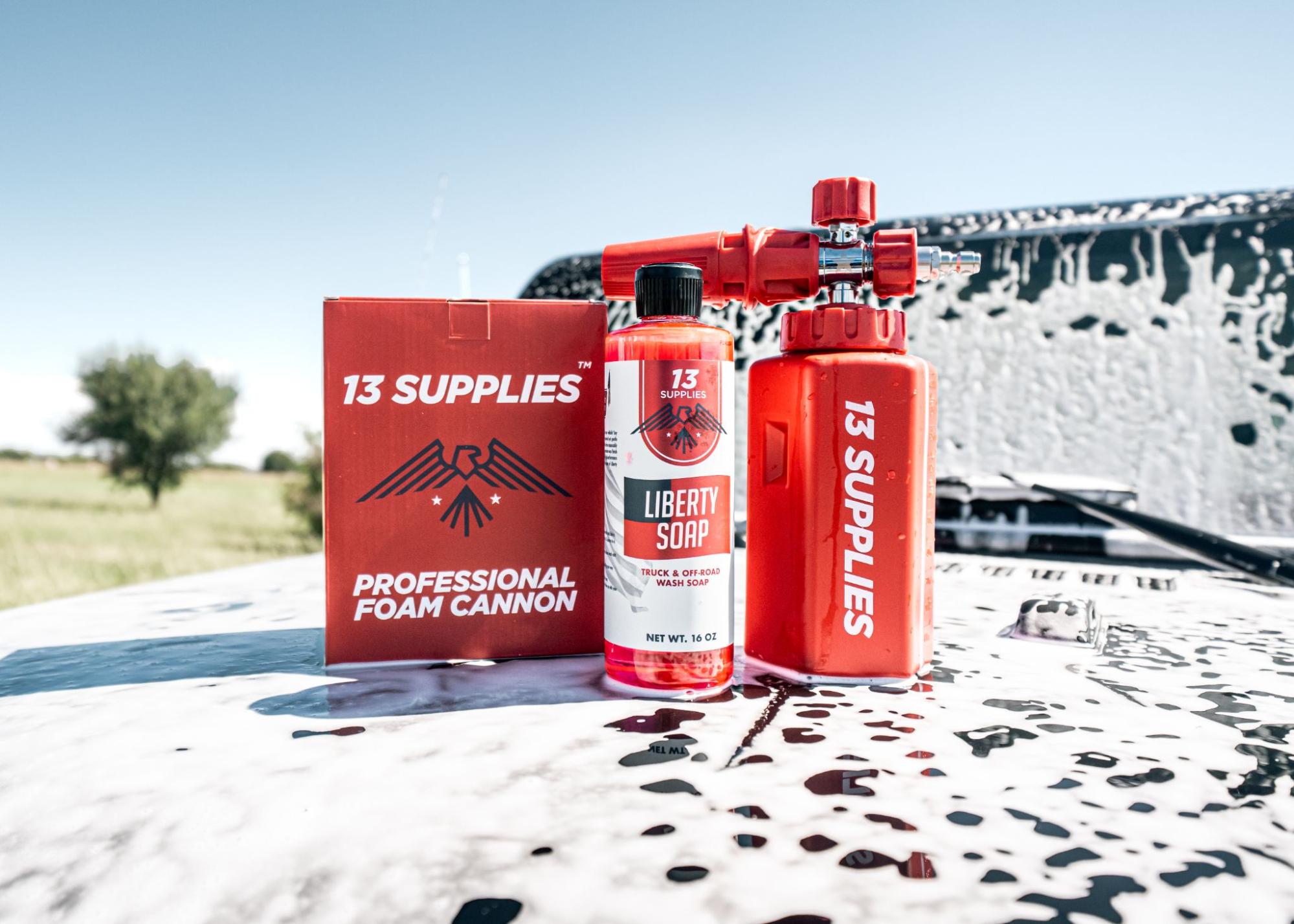
- Foam Cannon Bundle — cannon + Liberty Soap together, the fastest way to start
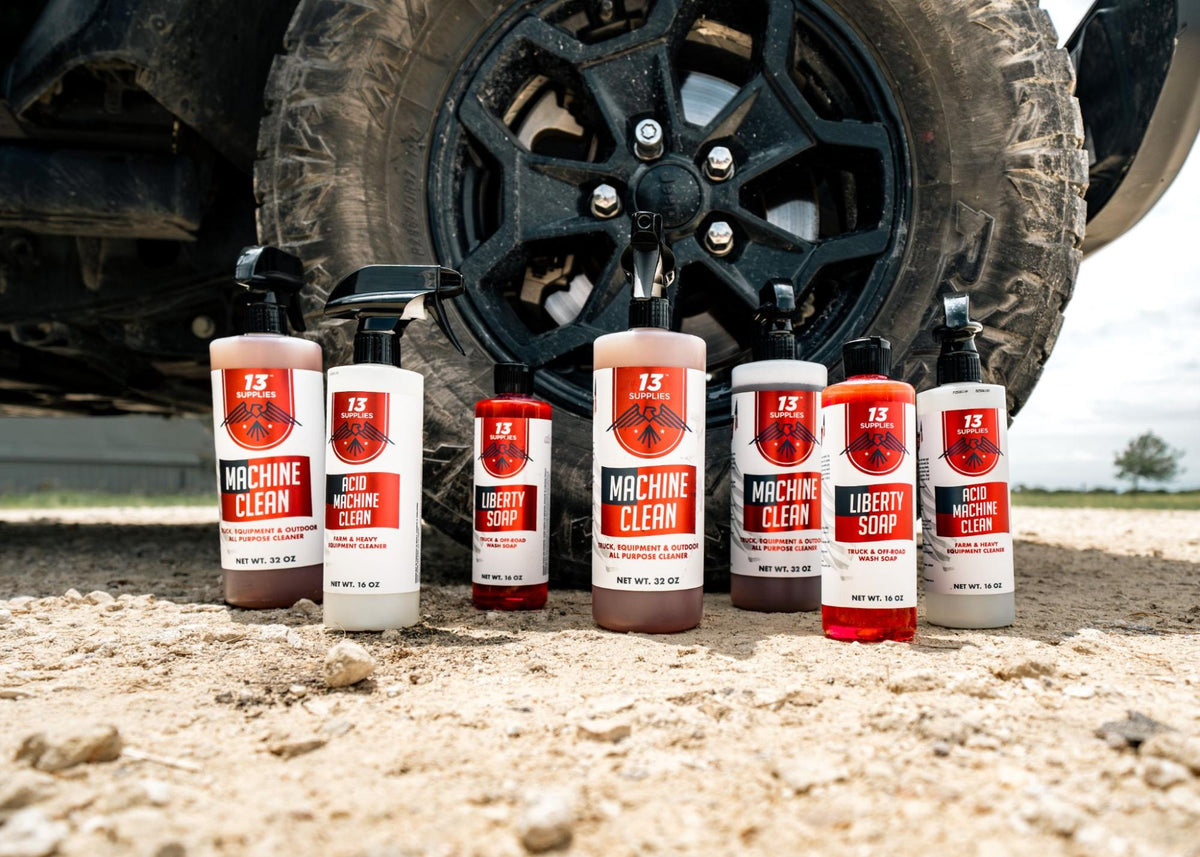
- Patriot Pack — foam cannon + 5 bottles of Machine Clean for trucks and heavy grime
- Twisted Loop Drying Towel — the streak-free finish either way
Related reading: Step-by-Step Guide to Proper Foam Washing Without Scratching Your Car

Leave a comment
This site is protected by hCaptcha and the hCaptcha Privacy Policy and Terms of Service apply.